
Upgrade Your Windows: Why 2½-Inch Wood or Faux Wood Blinds Are Better Than Standard 2-Inch
Upgrade Your Windows: Why 2½-Inch Wood or Faux Wood Blinds Are Better Than Standard 2-Inch When you consider window treatments, it's essential to know that...
By Mark Abplanalp
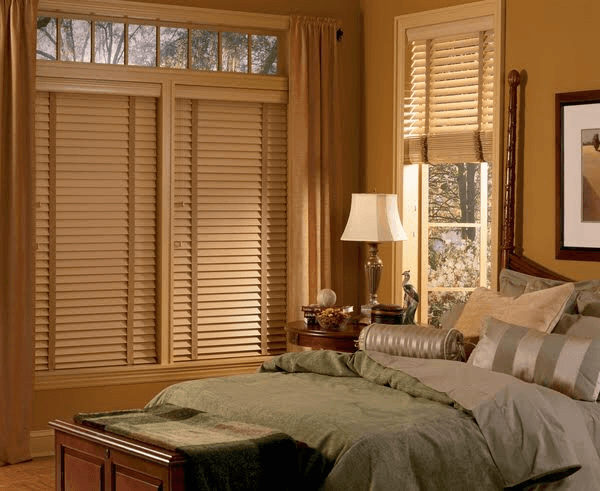
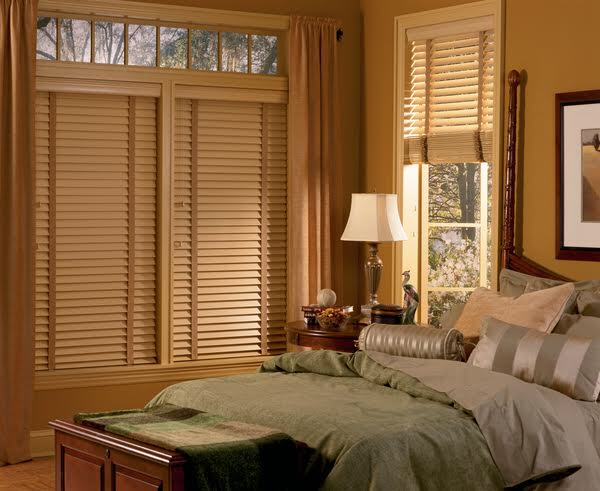
Upgrade Your Windows: Why 2½-Inch Wood or Faux Wood Blinds Are Better Than Standard 2-Inch
Most homeowners automatically select standard 2-inch wood blinds without considering the alternative. But if you prioritize visibility, light quality, and proportional design—especially in contemporary homes—2½-inch slats deliver measurably better performance and aesthetics.
The difference isn't just about size. It's about how your window treatments complement modern living spaces and architectural trends that favor clean lines, unobstructed views, and optimized natural light.
📘 The Complete Blinds Guide — Slat size is one of many blind decisions. For the broader category comparison — cellular, roller, vertical, Roman, faux wood, plantation shutter — read the master guide to every popular blind type for Northern Idaho homes →
Evolving Homes, Evolving Window Treatments
Today's homes feature open floor plans, expansive windows, and streamlined architectural details. While 2-inch blinds served traditional home styles effectively, 2½-inch slats align with the broader proportions and refined aesthetics of contemporary design.
This sizing evolution reflects how we use our living spaces differently—prioritizing natural light, outdoor connections, and uncluttered sight lines that 2½-inch blinds support more effectively.
Superior Visibility & Light Control
Wider Slats, Clearer Views
Fewer, wider slats create less visual interruption when viewing outdoors. Instead of 10-12 narrow strips crossing your sight line, you'll typically see just 8-9 wider slats—a difference that's immediately noticeable in living rooms, kitchens, or any space where views matter.
This reduction in visual "noise" is particularly valuable on picture windows, scenic exposures, or anywhere you want maximum transparency when blinds are in the open position.
More Natural Light, Less Shadow
Larger slat surfaces allow more light penetration while maintaining equivalent privacy control. The result: brighter interiors with gentler light transitions and reduced harsh shadow lines that can make spaces feel choppy or confined.
While larger slats may allow slightly more light seepage when tilted and offer marginally less privacy compared to smaller slats, this difference is generally minor and not a functional drawback for main living spaces where the improved visibility and light quality are more valuable.
2½-inch slats essentially "get out of the way" more effectively, letting your windows perform their primary function—bringing the outdoors in.
Sleeker Appearance with Reduced Bulk
20% Lower Stack Height
With fewer louvers required for the same coverage area, 2½-inch blinds create a significantly more compact stack when fully raised. This translates to 2-3 additional inches of exposed glass on typical windows—particularly valuable on shorter openings or anywhere maximum light matters.
The mathematical advantage is straightforward: fewer slats mean less bulk, cleaner lines, and more usable window area.
Improved Clearance for Hardware and Trim
Lower stack height means better clearance around door handles, window cranks, and decorative trim. This advantage makes 2½-inch blinds ideal for French doors, casement windows, or any installation where space constraints affect operation and aesthetics.
Note that 2½-inch blinds require a bit more recess depth for a fully flush inside mount; check your window's depth if mounting inside the frame.
Proportionally Designed for Modern Spaces
Scaled for Contemporary Windows
2-inch slats can appear undersized or visually busy on windows wider than 36 inches—creating a cluttered appearance that competes with clean architectural lines. 2½-inch slats provide better scale relationship with modern millwork, substantial baseboards, and the generous proportions common in contemporary homes.
Plantation Shutter Aesthetics Without the Cost
2½-inch blinds replicate the clean, structured appearance of custom plantation shutters—delivering that upscale, architectural look at a fraction of the investment. The wider slats create similar shadow lines and visual weight, making them perfect when clients want refined style within a blind budget.
Versatile Performance in Wood or Faux Options
Whether you choose genuine wood for its natural beauty or composite faux wood for moisture-prone areas, 2½-inch slats offer identical durability, color options, and warranty coverage. The proportional advantages remain consistent across both material choices.
No performance tradeoffs, no installation complications—just better-proportioned window treatments that work as hard as they look good.
Small Upgrade, Substantial Impact
Specifying 2½-inch slats over standard 2-inch represents a minimal cost increase—typically 10-15%—for significant improvements in:
- Visibility: Clearer sight lines with fewer visual interruptions
- Light quality: Better natural light penetration and diffusion
- Aesthetics: Proportions suited to contemporary architecture
- Function: Reduced stack height and improved hardware clearance
- Value: Shutter-like appearance without custom pricing
This upgrade decision is worth discussing early in your selection process, before defaulting to standard dimensions that may not optimize your specific windows and design goals.
Transform Your Windows with Proper Proportions
Ready to experience how 2½-inch wood or faux wood blinds can enhance your home's natural light, views, and overall aesthetic? Contact Luxe Window Works for an in-home or virtual consultation to explore the right blind proportions for your unique space and mounting requirements.
Call: (208) 660-8643
Email: mark@luxewindowworks.com
Frequently Asked Questions:
Q: What's the actual cost difference between 2-inch and 2½-inch blinds?
A: Expect a 10-15% price increase over standard 2-inch slats—typically $20-40 more per average window.
Q: Do 2½-inch blinds work effectively on smaller windows?
A: Yes, though the proportional advantages are most apparent on windows 36 inches wide or larger where scale becomes more important.
Q: Are custom stains and colors available in 2½-inch slats?
A: Absolutely. All major manufacturers offer their complete range of wood stains and paint colors in 2½-inch configurations.
Q: How much additional glass exposure do you gain when blinds are raised?
A: On a typical 48-inch tall window, you'll gain approximately 2-3 inches of visible glass—particularly valuable on shorter windows or door applications.
#CoeurDAleneWoodBlinds #NorthIdahoWindowTreatments #SandpointBlinds #PostFallsWindowCoverings #HaydenLakeDesign #SpokaneInteriorDesign #IdahoHomeDesign #CustomWindowTreatments #ModernWindowBlinds #NorthwestHomeImprovement #IdahoInteriorDesign #WindowCoveringsNearMe
Common questions
- Why should I choose 2½-inch wood blinds over 2-inch blinds?
- The larger slat provides a more open, unobstructed view when the blinds are open—roughly 20% more sightline per slat. It also looks more proportional on larger windows (48 inches and above) that have become standard in newer Idaho homes. From a practical standpoint, wider slats mean fewer slats in total, which means fewer points of potential failure and an easier cleaning routine.
- Do wider slats affect the energy efficiency of the blinds?
- Somewhat. Wider slats close with fewer gaps, providing marginally better light blockage and slightly reduced air infiltration than narrower slats with more seams. That said, neither wood blind type approaches the insulating value of cellular shades. If energy efficiency is your primary goal, wood blinds—regardless of width—are a style-first choice, not a performance-first choice.
- How do wood blinds perform in Idaho's humidity extremes?
- Standard wood blinds are not recommended for high-humidity spaces like bathrooms or laundry rooms—they can warp over time in moisture-heavy environments. For kitchens, most Northern Idaho homes are dry enough that quality wood blinds perform fine, but avoid installation directly over steam sources. Composite or faux-wood blinds are better suited for moisture-prone areas and offer comparable aesthetics without the warping risk.
- Are wider slats harder to clean and maintain?
- Actually, the opposite. Fewer, wider slats mean less surface area to dust and fewer corners to trap grime. A quality microfiber cloth or duster runs more efficiently across wider slats. The cleaning challenge with wood blinds remains the same regardless of width: avoid excess moisture and never soak them, as this can cause warping or finish damage.
Have Questions About Your Windows?
Our team offers free in-home consultations throughout Northern Idaho. Get personalized advice for your specific situation.