Window Blinds: The Complete Installer's Guide to Every Popular Shade Type (What Really Works in Northern Idaho)
Window Blinds: The Complete Installer's Guide to Every Popular Shade Type When homeowners mention \"window blinds,\" they're typically referring to an entire...
By Mark Abplanalp
Window Blinds: The Complete Installer's Guide to Every Popular Shade Type
When homeowners mention "window blinds," they're typically referring to an entire ecosystem of window coverings—from energy-efficient cellular shades and streamlined roller shades to moisture-resistant faux wood blinds, elegant Roman shades, practical vertical blinds, and timeless plantation shutters. Each product category serves distinct functional needs, and every room presents unique challenges around lighting control, thermal performance, privacy requirements, and visual appeal.
From an installer's perspective with 24 years in the window treatment industry, choosing the right product is never just about catalog aesthetics or Pinterest inspiration boards. It's about real-world performance after six months of daily operation—how that shade handles brutal morning glare bouncing off snow-covered landscapes, whether it actually blocks summer heat pouring through west-facing glass, and if it still operates smoothly after being raised and lowered hundreds of times by kids and homeowners rushing out the door.
I'll break down the major types of blinds and shades we install most frequently across Coeur d'Alene, Post Falls, Hayden, and surrounding areas—detailing what each excels at, the hidden frustrations that surface months after installation, and the specific scenarios where each product truly shines in our four-season climate.
Cellular Shades (Honeycomb Shades)
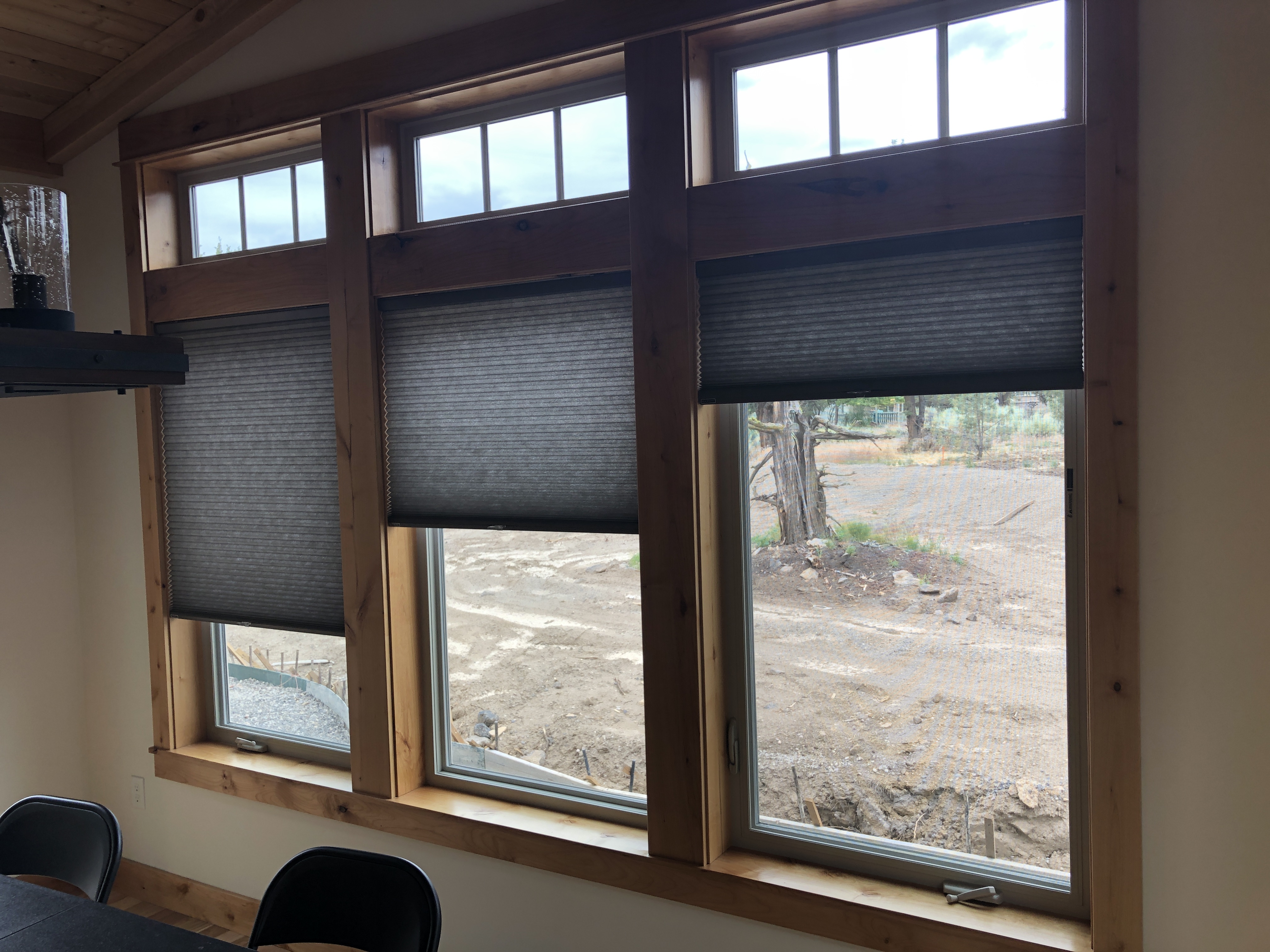
Cellular shades—also called honeycomb shades due to their distinctive hexagonal cross-section—are engineered from layered fabric cells that trap insulating air pockets, delivering some of the highest thermal efficiency ratings available in soft window treatments. They mount inside window frames with minimal light gaps and work exceptionally well in bedrooms, living rooms, home offices, and any energy-conscious space where temperature regulation matters as much as light control.
Strengths
Superior thermal insulation for extreme climates. The pleated hexagonal air chambers can reduce heat loss by up to 40% in winter according to Department of Energy studies, and block significant solar heat gain during scorching summer afternoons—a game-changer for Northern Idaho's temperature swings where we regularly see 80-degree differences between January lows and July highs.
Clean, contemporary aesthetic that virtually disappears when raised. The compact stack height means they take up minimal visual space at the top of your window, maintaining clean sightlines and architectural appeal. Most cellular shades compress to just 2-3 inches when fully raised.
Extensive fabric library spanning light-filtering to complete blackout. Whether you need soft ambient glow in a nursery or pitch-black darkness for shift workers, cellular shades offer fabric opacity options matched to your exact needs. The fabric selection typically includes hundreds of colors, textures, and light-filtering capabilities.
Whisper-quiet operation ideal for motorization and smart home integration. Unlike slatted blinds that clatter or cords that squeak, cellular shades raise and lower smoothly—perfect for bedroom skylights, high windows, or whole-home automation systems where noise matters.
Excellent noise dampening properties. The air-trapping cellular structure doesn't just insulate against temperature—it also absorbs sound, making these shades valuable for homes near busy roads or noisy neighbors. The honeycomb chambers act as acoustic buffers.
Challenges
Fabric cells are vulnerable to crushing from mishandling or aggressive cleaning. Once those honeycomb chambers collapse, they rarely spring back to their original form—dusting should be gentle, and deep cleaning requires professional care or extreme caution. I've seen homeowners ruin otherwise perfectly good shades by attempting to wash them in bathtubs.
Limited design variety leans more utilitarian than decorative. If you're seeking rich textures, bold patterns, or traditional elegance, cellular shades may feel too minimalist or clinical for formal living spaces. The fabric selection prioritizes function over fashion.
Narrow horizontal bands can highlight dust accumulation and water spotting. In high-humidity bathrooms or dusty construction zones, the pleated folds become visual magnets for grime that's tedious to remove. The cells trap particles that standard dusting can't easily reach.
Not ideal for high-moisture environments unless specifically rated. Standard cellular fabrics can absorb moisture and develop mildew in steamy bathrooms—look for moisture-resistant or synthetic cellular options if using near showers. Cotton-blend cells are particularly susceptible to mold growth.
When to Choose Cellular Shades
Cellular shades excel in climate-controlled bedrooms where you need both blackout capability and energy efficiency, home offices requiring glare control without sacrificing natural light, and any window where monthly heating or cooling costs justify the premium investment. They're particularly effective on skylights and angled windows where traditional blinds struggle.
Roller Shades
Roller shades operate on elegant simplicity: a single continuous sheet of fabric wraps around a tube mechanism mounted above your window. They're the quintessential choice for minimalist interiors, floor-to-ceiling glass walls, media rooms, or any home with intense sunlight exposure requiring precise solar control.
Strengths
Streamlined, unobtrusive appearance fits modern, transitional, and contemporary design styles. With no visible slats, folds, or hardware clutter, roller shades deliver architectural clean lines that complement sleek furniture and open floor plans. The shade essentially disappears into the design when properly color-matched.
Massive fabric selection across solar screens, blackout materials, and decorative prints. From sheer solar weaves that preserve views while blocking UV radiation to opaque blackout fabrics for home theaters, the customization options are nearly limitless. Most manufacturers offer 200-plus fabric choices spanning every color temperature and opacity level.
Effortless integration with motorization and smart home ecosystems. Roller shade motors hide inside the tube, creating seamless automated control via wall switches, remotes, voice assistants, or smartphone apps—no visible cords or chains. The motor mechanism typically adds less than half an inch to the tube diameter.
Simple maintenance and cleaning routines. Most roller fabrics tolerate spot-cleaning with mild soap or can be vacuumed with a brush attachment—far easier than dusting individual slats or laundering Roman shade panels. Synthetic roller fabrics resist staining and moisture absorption.
Excellent for oddly shaped or oversized windows. Roller mechanisms can span wider windows than most other shade types without sagging or requiring center supports. Quality systems handle spans up to 12-14 feet when properly engineered.
Challenges
Visible light gaps appear at both sides during inside-mount installations. Unless you opt for cassette systems or side channels (adding $200-400 per window), ambient light bleeds around the fabric edges—problematic for blackout applications in bedrooms. The gap typically measures half an inch to three-quarters of an inch on each side.
Thin or budget fabrics are prone to wrinkling, curling, or uneven rolling. Cheaper roller shades often develop permanent creases or roll crooked over time, creating visual frustration every time you raise them. The fabric memory degrades with repeated cycling and temperature fluctuations.
Precision installation is non-negotiable—misaligned brackets create perpetual headaches. If the tube isn't perfectly level or the fabric isn't tensioned correctly during manufacturing, you'll fight crooked alignment and uneven rolling for the life of the shade. Even one-eighth inch out of level becomes visually obvious.
Limited decorative impact compared to layered treatments. Roller shades function beautifully but lack the warmth and texture of draped fabrics—they're practical, not traditionally cozy. They work best in spaces prioritizing function and clean aesthetics over traditional warmth.
When to Choose Roller Shades
Roller shades are ideal for modern kitchens and bathrooms where moisture resistance and easy cleaning matter, media rooms requiring precise light control, and commercial spaces needing uniform appearance across multiple windows. They're also the best choice for smart home integration where automated schedules and remote operation justify the investment.
Vertical Blinds
Vertical blinds feature tall, narrow slats (or vanes) suspended from an overhead track, rotating open or closed to control light and privacy. They remain the go-to solution for sliding glass doors, wide patio openings, and budget-conscious coverage of large window expanses—especially common in rental properties, basements, and high-traffic family rooms.
Strengths
Budget-friendly coverage for expansive glass areas like patio doors and picture windows. Vertical blinds deliver functional light control and privacy at a fraction of the cost of custom drapery or large roller shades. Most installations for standard sliding doors run 40-60% less than comparable alternatives.
Easy tilt adjustment allows partial light control without fully opening the blind. You can rotate the vanes to filter light and maintain some privacy while keeping the blind closed—useful for glare control during specific times of day. The wand mechanism provides precise angle adjustment.
Individual vane replacement is inexpensive and straightforward. If a slat gets damaged by pets, kids, or rough handling, you can swap out single vanes without replacing the entire system. Replacement vanes typically cost just a few dollars each.
Effective for controlling light on wide spans where horizontal blinds sag. The vertical orientation handles broader widths more gracefully than horizontal alternatives. The system distributes weight along the track rather than across a single headrail.
Challenges
Vanes swing, clatter, and collide in breezy doorways or with HVAC airflow. The noise factor frustrates many homeowners, especially in quiet bedrooms or open-concept spaces where sound travels. Every air current from heating vents or opened doors sets the vanes in motion.
Overhead tracks require periodic cleaning and occasional lubrication. Dust buildup in the track mechanism causes jerky operation, and plastic carriers can crack over time, requiring repairs. I typically clean and lubricate vertical blind tracks during annual maintenance visits.
Aesthetic leans decidedly functional rather than upscale or decorative. Vertical blinds often signal rental property or 1990s office building—they rarely complement high-end interior design schemes. Most interior designers actively avoid specifying them for premium residential projects.
Durability concerns with cheaper materials. Low-cost PVC or fabric vanes can warp, fade, or tear easily, especially in direct sun exposure. I've replaced warped vinyl vanes on south-facing doors within two years of installation when homeowners chose bargain-basement products.
When to Choose Vertical Blinds
Vertical blinds make practical sense for sliding glass doors in rental properties where replacement costs matter more than design aesthetics, basement walkouts requiring budget-conscious coverage, and temporary housing situations where you need functional light control without significant investment. They work adequately when expectations remain appropriately calibrated.
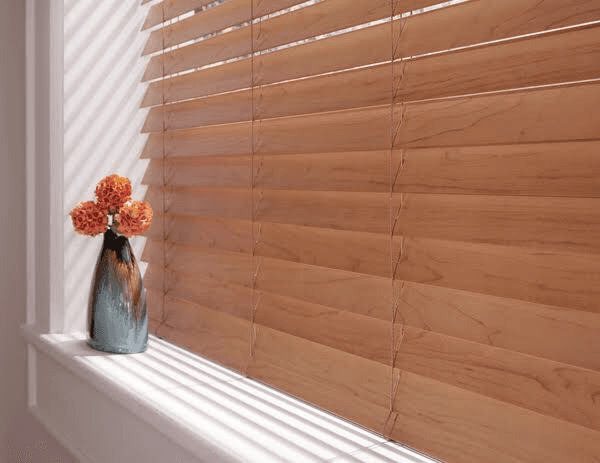
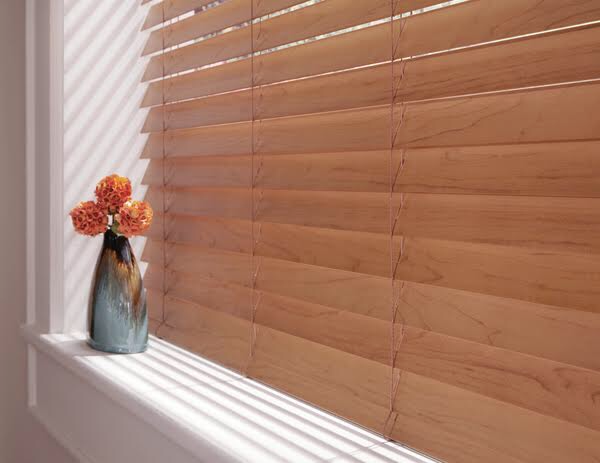
Faux Wood Blinds
Faux wood blinds replicate the classic appearance of natural wood slats using composite materials, PVC, or polymer blends—delivering moisture resistance and dimensional stability that real wood can't match. They're the smart choice for kitchens, bathrooms, laundry rooms, or any space where humidity fluctuations would warp genuine wood.
Strengths
Moisture and humidity resistance prevents warping, cracking, or swelling. Unlike natural wood, faux alternatives thrive in steamy bathrooms and humid basement windows without degrading. The synthetic materials maintain dimensional stability across humidity ranges from 20% to 80%.
Durable, low-maintenance finish handles everyday wear and tear gracefully. The synthetic surface resists scratches, dents, and fading better than painted or stained wood blinds. The finish is typically baked on during manufacturing, creating a durable protective layer.
Timeless, versatile aesthetic works across traditional, transitional, and contemporary home styles. Faux wood delivers warmth and architectural detail without committing to a specific design trend. The neutral colors and classic horizontal lines complement virtually any interior style.
Better value proposition than real wood blinds. You get similar visual impact at 40-60% of the cost, with superior performance in challenging environments. The price differential typically ranges from $150-300 per window depending on size and features.
Easier cleaning than fabric shades. Simple dusting or wiping with a damp cloth keeps faux wood looking fresh—no special treatments or professional cleaning required. The smooth slat surface doesn't trap dust like fabric pleats or cells.
Challenges
Significantly heavier than aluminum or natural wood alternatives. Large faux wood blinds—especially 2-inch slats spanning wide windows—can be difficult to lift manually and put strain on lifting mechanisms over time. The composite materials typically weigh 50-70% more than equivalent wood blinds.
Heat absorption on expansive south- or west-facing windows. Dark faux wood blinds in full sun can become uncomfortably hot to touch and radiate heat into the room. Surface temperatures can exceed 120°F on summer afternoons in Northern Idaho.
Tilt mechanisms and lift cords wear faster on oversized installations. The extra weight accelerates wear on plastic gears, ladders, and cord locks—expect repairs or replacements sooner than with lighter materials. I typically see mechanism failures around the 5-7 year mark on large faux wood blinds.
Can look plasticky in direct comparison to premium real wood. While modern faux wood has improved dramatically, discerning eyes may still detect the synthetic appearance up close. The grain patterns repeat more predictably than natural wood variations.
When to Choose Faux Wood Blinds
Faux wood blinds excel in bathrooms where steam and moisture destroy natural materials, kitchens where cooking humidity and temperature swings challenge wood stability, and lakefront or riverside homes where higher ambient humidity threatens traditional wood blinds. They're also ideal for rental properties where durability and low maintenance outweigh the aesthetic premium of genuine wood.
Roman Shades
Roman shades marry the soft elegance of drapery with the functional precision of blinds—featuring fabric panels that fold into neat horizontal pleats when raised and drape beautifully when lowered. They're the decorator's favorite for adding warmth, texture, and tailored sophistication to living rooms, dining areas, and primary bedrooms where aesthetics matter as much as function.
Strengths
Elegant, high-end visual appeal adds warmth, depth, and custom-designed character. Roman shades make a statement—they elevate a room's design in ways that utilitarian blinds simply can't match. The tailored fabric panels create architectural interest and visual sophistication.
Enormous fabric library spanning solids, patterns, textures, and linings. Choose from linen, silk, cotton, blackout-lined options, or even custom designer fabrics to perfectly coordinate with your furniture and color palette. Most custom workrooms offer thousands of fabric choices.
Easy coordination with drapery panels or existing decor themes. Roman shades can be crafted from the same fabric as your throw pillows, bedding, or curtains for a cohesive, professionally designed look. Interior designers frequently specify matching fabrics across multiple elements.
Softer, more residential feel than hard treatments. The fabric folds create an inviting, lived-in aesthetic ideal for cozy, traditional, or transitional interiors. The draping quality softens window openings in ways that rigid blinds cannot.
Challenges
Horizontal fabric folds trap dust, pet hair, and allergens. Unlike smooth roller shades, the pleated structure requires regular vacuuming with upholstery attachments or periodic professional cleaning. The folds act as collection points for airborne particles.
Manual cord systems can tangle or bind without regular use or careful handling. Upgrade to cordless or motorized operation to avoid frustration and extend the shade's lifespan. Traditional lift cords on Roman shades experience significant friction and wear.
More decorative than utilitarian—expect light gaps around edges. Roman shades prioritize beauty over blackout performance; they're not ideal for light-sensitive sleepers unless heavily lined and mounted outside the frame. Light leakage around the perimeter is standard.
Fabric can fade, shrink, or deteriorate in intense sun exposure. South-facing windows require UV-resistant linings or you'll see noticeable color degradation within 2-3 years. Natural fibers like linen and cotton are particularly vulnerable to sun damage.
Higher upfront cost and longer lead times. Custom Roman shades require precise measurement, fabric selection, and fabrication—often 3-6 weeks from order to installation. The investment typically runs $400-800 per window depending on fabric choice and complexity.
When to Choose Roman Shades
Roman shades work beautifully in formal living rooms and dining areas where design aesthetics justify the premium investment, primary bedrooms where you want soft, luxurious window dressing, and any space where you're already investing in custom furniture and professional interior design. They're the right choice when the window treatment needs to function as a decorative focal point rather than purely functional coverage.
Plantation Shutters
Interior plantation shutters represent the most architectural and permanent window treatment option—featuring wide louvers (typically 2.5 to 4.5 inches) set in solid frames that tilt for light control while adding structure, dimension, and long-term home value. Available in genuine wood, composite, or vinyl materials, they're the gold standard for homeowners prioritizing durability, resale appeal, and precise light management.
Strengths
Exceptional durability built to last decades with minimal maintenance. Quality shutters withstand daily use, pets, kids, and cleaning without degrading—many carry warranties of 10 years or even lifetime guarantees. I've serviced shutters installed in the 1990s that still operate perfectly.
Increases home resale value and perceived quality. Real estate professionals consistently cite plantation shutters as high-ROI upgrades that appeal to buyers and photograph beautifully in listings. Most real estate professionals I work with estimate shutters return 70-90% of cost in home value, though this varies by market.
Unmatched privacy control with adjustable louvers. Tilt the slats for precise light angles while maintaining complete privacy—no gaps, no light leaks, no prying eyes. The louvers provide infinite adjustment positions unlike fixed-position blinds.
Simple cleaning and maintenance routines. Just dust or wipe down the louvers periodically—no fabric laundering, no cord replacement, no complex mechanisms to service. A damp cloth removes most dirt and grime effortlessly.
Available in wood, composite, or vinyl for different budgets and moisture environments. Choose premium hardwood for formal spaces, composite for kitchens and baths, or vinyl for basements and high-humidity zones. Each material serves specific functional requirements.
Timeless aesthetic that never goes out of style. Unlike trendy fabric patterns or dated blind styles, shutters remain classic and appealing across decades and design trends. They transcend passing design fashions.
Challenges
Highest upfront investment and most permanent installation commitment. Custom shutters can cost 2-4x more than comparable blinds or shades, and they're mounted directly into the window frame with screws—not easily removed. Expect to invest $600-1,500 per window depending on size and material.
Requires expert measuring and precision installation. Hinged frames must align perfectly with your window opening; even small errors result in gaps, binding, or misaligned louvers—DIY installation isn't recommended. Quarter-inch measurement mistakes become significant problems.
Louvers reduce outward visibility even when fully open. Unlike shades that disappear when raised, shutter louvers remain in your sightline, slightly obstructing views to the outdoors. The frame also borders your window view permanently.
Limited color and finish options compared to paint-grade alternatives. While you can paint shutters to match trim, the choices are more constrained than the infinite fabric options of shades. Most manufacturers offer 10-20 standard colors.
When to Choose Plantation Shutters
Plantation shutters justify their premium cost in street-facing windows where curb appeal and home value matter, formal living spaces where architectural permanence aligns with high-quality furnishings, and any room where you're planning to stay long-term and want window treatments that outlast typical 7-10 year replacement cycles. They're also ideal for historic homes where period-appropriate treatments add authenticity.
Common Questions About Window Blinds
How long do window blinds and shades typically last?
Quality blinds or shades installed correctly typically last 7-10 years with regular residential use, though premium materials like plantation shutters can exceed 20 years. The weak points are usually lifting mechanisms, cord systems, and mounting hardware rather than the slats or fabrics themselves—cheap headrails and flimsy brackets fail first, often within 2-3 years on budget products. I've tracked failure rates across hundreds of installations and the pattern remains consistent: invest in quality mechanisms or plan for early replacement.
What's the easiest blind type to clean and maintain?
Roller shades and faux wood blinds win the maintenance ease category. Roller fabrics tolerate spot-cleaning or light vacuuming, while faux wood slats just need periodic dusting or wiping with a damp cloth. Cellular shades and Roman shades require more gentle care—light vacuuming with soft brush attachments or professional fabric cleaning to avoid crushing cells or damaging decorative fabrics. Most homeowners underestimate the maintenance commitment of fabric treatments.
Are motorized blinds actually worth the investment?
Absolutely, especially for hard-to-reach windows, skylights, or daily-use scenarios where convenience matters. Motorization eliminates the physical tugging and pulling that wears out cords, ladders, and lifting mechanisms prematurely—keeping shades aligned and extending their functional lifespan by years. The typical motorization premium runs $200-400 per window, but I've seen motorized shades outlast their manual counterparts by 30-50% simply because the mechanisms experience less stress. Motorized shades also integrate seamlessly with smart home systems for automated schedules, voice control, and energy management.
Do window blinds genuinely help with energy efficiency?
Yes—especially cellular shades, which according to Department of Energy studies can reduce heat loss by up to 40% and significantly lower cooling costs by blocking solar heat gain. Plantation shutters provide solid benefits through air gap insulation and reflective louver surfaces. Even basic roller shades with solar-reflective fabrics reduce heat transfer when properly fitted with minimal light gaps. The key is tight installation and appropriate fabric selection for your sun exposure. I've had homeowners report monthly heating cost reductions of $80-200 during Northern Idaho winters after installing quality cellular shades.
What's the best window treatment choice for high-moisture areas like bathrooms?
Faux wood blinds and composite shutters dominate moisture-heavy environments because they resist warping, mildew, and dimensional instability that destroys real wood or absorbs into fabric. Avoid standard cellular and Roman shades unless they're explicitly labeled moisture-resistant or synthetic—cotton and linen fabrics will absorb humidity, develop mold, and deteriorate quickly near showers or bathtubs. I've replaced countless fabric shades in bathrooms where homeowners didn't understand the moisture vulnerability.
Can I mix different blind and shade types throughout my home?
Definitely—and most well-designed homes do exactly that. Consider cellular shades in bedrooms for energy efficiency and light control, roller shades in kitchens and living areas for clean modern lines, and shutters on street-facing windows for curb appeal and privacy. The critical success factor is maintaining consistent color temperatures, mounting styles (inside versus outside), and trim coordination so the variety feels intentional rather than haphazard. I typically recommend selecting 2-3 complementary treatment types maximum per home.
What should I watch out for when buying window treatments online?
Exercise extreme caution around measurement accuracy, mounting hardware quality, and customer service accessibility. Many custom online retailers cut costs on critical components—cheap plastic brackets that sag under weight, thin cords that fray within months, or fabric that's noticeably thinner than showroom samples. You won't discover these deficiencies until installation day, and returns on custom-cut window treatments are often impossible. The money saved on direct-to-consumer pricing frequently evaporates in frustration, reinstallation costs, or complete replacements. I've helped homeowners correct botched online orders more times than I can count.
Tips from Mark: Choosing Window Blinds That Actually Perform
Start by Assessing Your Sun Exposure and Heat Load. South- and west-facing windows absorb punishing afternoon heat in summer and lose significant warmth in winter—prioritize cellular shades with high R-values or reflective roller fabrics. East-facing bedroom windows need blackout capabilities for sleeping in. North-facing windows can handle decorative treatments without extreme thermal performance. Map your home's solar exposure before shopping to match product capabilities to real-world conditions.
Think Critically About Daily Use Patterns and Household Traffic. A shade that photographs beautifully but requires two hands and careful coordination to raise won't survive in a busy kitchen or kids' playroom—mechanical simplicity and durability matter more than catalog elegance. If you adjust your shades multiple times daily, invest in cordless or motorized systems that eliminate wear on lifting mechanisms and prevent alignment issues.
Never Skimp on Mounting Hardware and Installation Quality. Even premium shades perform poorly when mounted on flimsy brackets or installed out of level. Quality hardware ensures smooth operation, proper alignment, and long-term stability—cheap brackets sag, bend, or pull out of drywall within months. Professional installation costs more upfront but prevents the compounding frustration and replacement expenses that plague DIY or bargain-basement projects.
Match the Treatment Style to Each Room's Personality and Function. Sleek motorized roller shades complement modern open-concept living spaces; layered Roman shades add coziness to traditional bedrooms; plantation shutters deliver timeless appeal in formal dining rooms. Don't force a single product type throughout your entire home—let each space's architecture, lighting needs, and design aesthetic guide your selection for optimal results.
Work with a Local Installer Who Understands Regional Climate Challenges. Factory specifications and national chain consultations rarely account for Northern Idaho's temperature extremes, snow glare off lakes, or the quirks of older home construction. An experienced local installer will spot potential issues before installation—like insufficient window depth for inside mounts, trim interference with bracket placement, or light gaps caused by warped frames—and recommend solutions that online retailers can't address until it's too late.
Continue Exploring Blinds
Final Thoughts: Making the Right Choice for Your Home
Understanding the genuine strengths, practical limitations, and long-term performance characteristics of each major window treatment category empowers homeowners to make confident decisions that align with their lifestyle rather than fleeting design trends. Every product—from energy-saving cellular shades and minimalist rollers to moisture-resistant faux wood and architectural shutters—has its ideal application, and knowing the real-world tradeoffs ensures you select something that works beautifully in your daily life, not just in staged photos.
We'll be diving deeper into each of these categories in upcoming posts, with hands-on installation photos, detailed performance comparisons, and real-world insights from Northern Idaho homes. If you're considering new blinds or shades for your home, reach out with your specific questions—I'm happy to share what truly performs in our region's unique climate and lighting conditions.Mark Abplanalp, Owner of Luxe Window Works
With 24 years installing window treatments across Northern Idaho, Mark specializes in matching products to regional climate challenges—from lake-effect humidity to mountain sun exposure and extreme temperature swings. He prioritizes long-term performance and maintenance realities over sales-driven recommendations. Luxe Window Works serves Coeur d'Alene, Post Falls, Hayden, Sandpoint, Rathdrum, and surrounding communities throughout Northern Idaho.
Proudly Serving Northern Idaho!
https://luxewindowworks.com/window-coverings-coeur-d-alene/
https://luxewindowworks.com/window-coverings-coeur-d-alene/
https://luxewindowworks.com/window-coverings-post-falls-id/
https://luxewindowworks.com/window-coverings-hayden-id/
https://luxewindowworks.com/window-coverings-rathdrum-id/
Brands We Love!
Common questions
How long do window blinds and shades typically last?
- Quality blinds or shades installed correctly typically last 7–10 years with regular residential use, though premium materials like plantation shutters can exceed 20 years. The weak points are usually lifting mechanisms, cord systems, and mounting hardware rather than the slats or fabrics themselves.
What's the easiest blind type to clean and maintain?
- Roller shades and faux wood blinds win the maintenance ease category. Roller fabrics tolerate spot-cleaning or light vacuuming, while faux wood slats just need periodic dusting or wiping with a damp cloth. Cellular shades and Roman shades require more gentle care.
Are motorized blinds actually worth the investment?
- Absolutely, especially for hard-to-reach windows, skylights, or daily-use scenarios where convenience matters. Motorization eliminates the physical tugging and pulling that wears out cords and lifting mechanisms prematurely. The typical motorization premium runs $200–400 per window, but motorized shades often outlast their manual counterparts by 30–50% because the mechanisms experience less stress.
Do window blinds genuinely help with energy efficiency?
- Yes — especially cellular shades, which according to Department of Energy studies can reduce heat loss by up to 40% and significantly lower cooling costs by blocking solar heat gain. Even basic roller shades with solar-reflective fabrics reduce heat transfer when properly fitted with minimal light gaps.
What's the best window treatment for high-moisture areas like bathrooms?
- Faux wood blinds and composite shutters dominate moisture-heavy environments because they resist warping, mildew, and dimensional instability. Avoid standard cellular and Roman shades unless they're explicitly labeled moisture-resistant — cotton and linen fabrics will absorb humidity, develop mold, and deteriorate quickly near showers or bathtubs.
Can I mix different blind and shade types throughout my home?
- Definitely — and most well-designed homes do exactly that. Consider cellular shades in bedrooms for energy efficiency, roller shades in kitchens and living areas for clean modern lines, and shutters on street-facing windows for curb appeal. The key is maintaining consistent color temperatures and mounting styles so the variety feels intentional.
Have Questions About Your Windows?
Our team offers free in-home consultations throughout Northern Idaho. Get personalized advice for your specific situation.