
Roman Shades: The Complete Buyer's Guide for Northern Idaho Homes
Roman shades are fabric window coverings that stack into clean horizontal folds when raised and lie flat when lowered. They're the most design-forward window treatment in most homes — softer than shutters, more tailored than drapes, and more elegant than a roller shade. Here's everything you need to know before you buy.
By Mark Abplanalp
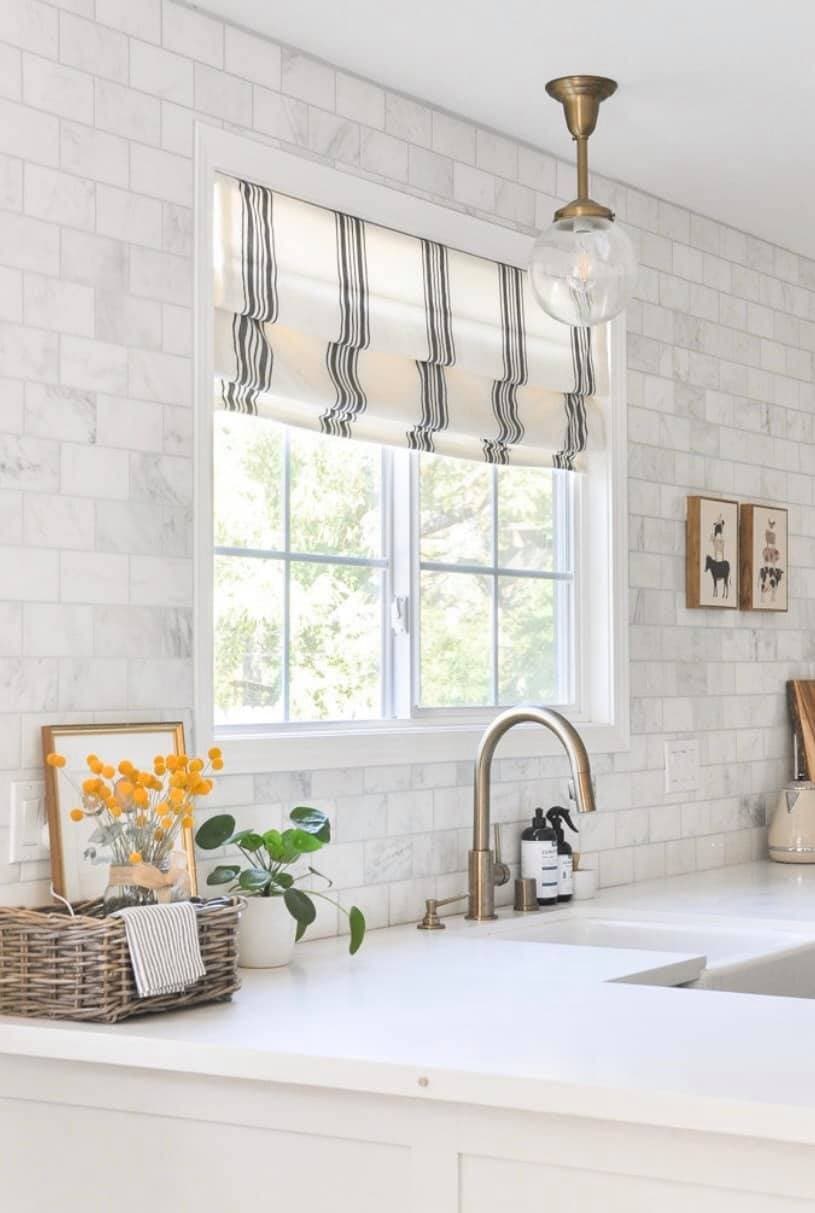
Roman shades are fabric window coverings that stack into clean horizontal folds when raised and lie flat when lowered. They're the most design-forward window treatment in most homes — softer than shutters, more tailored than drapes, and more elegant than a roller shade. If you're considering them for your Northern Idaho home, here's everything you need to know before you buy.
What Are Roman Shades? (The Short Answer)
Roman shades are a single piece of fabric that raises and lowers using a cord or motorized system. As the shade lifts, the fabric folds back on itself in horizontal pleats — creating a stacked, layered look at the top of the window. When fully lowered, the shade lies flat and smooth against the glass.
They differ from roller shades in one key way: fabric and fold. A roller shade rolls around a tube at the top — clean and minimal. A roman shade folds — creating visual warmth, texture, and architectural interest. That distinction drives every decision that follows.
The 5 Types of Roman Shades
Not all roman shades fold the same way. The fold style dramatically affects the look of the shade — both when raised and lowered.
Flat Roman Shades
The most popular style. When lowered, the fabric lies perfectly flat with no folds, texture, or gathering — just a clean panel of fabric. When raised, the shade stacks into neat horizontal layers. Flat romans work in virtually any room and suit both modern and traditional homes. They're the easiest to clean and the most versatile in fabric choice.
Best for: Living rooms, bedrooms, any space where a clean, tailored look is the goal.
Relaxed Roman Shades
Relaxed romans have a gentle curve at the hem — the center dips slightly lower than the sides, creating a soft, casual swag effect even when fully lowered. They're less structured than flat romans and feel more informal and inviting.
Best for: Kitchens, breakfast nooks, casual living spaces, lake homes where a relaxed aesthetic fits the surroundings.
Hobbled (European) Roman Shades
Hobbled romans maintain their horizontal folds even when fully lowered, giving the shade a permanently textured, layered appearance. They use more fabric than flat or relaxed styles and have a distinctly luxurious, formal look.
Best for: Formal dining rooms, primary bedrooms, traditional or transitional interiors where richness of fabric is the focus.
Waterfall Roman Shades
Similar to hobbled, but the folds cascade forward in a continuous waterfall rather than folding back on themselves. The result is a dramatic, sculptural shade with deep, soft folds that pool at the bottom.
Best for: High-end master bedrooms, formal living rooms, any space where the window treatment is meant to be a design statement.
Balloon Roman Shades
Balloon romans gather into soft billowy poufs at the hem, creating a very traditional, almost Victorian look. They're less common in modern Northern Idaho homes but still popular in certain traditional and cottage-style interiors.
Best for: Traditional or cottage-style homes, guest bedrooms, accent windows.
Roman Shades vs. Roller Shades — Which Is Right for Your Home?
Both are excellent window treatments. The right choice depends on your aesthetic goals, room function, and budget.
Roman vs. Roller Shades Comparison
| Feature | Roman Shades | Roller Shades |
|---|---|---|
| Look | Soft, warm, tailored | Clean, minimal, modern |
| Best rooms | Living room, bedroom, dining room | Home office, kitchen, modern interiors |
| Cleaning | More involved — fabric folds collect dust | Easier — wipe down or spot clean |
| Price range (custom) | $$$–$$$$ | $$–$$$ |
| Ideal aesthetic | Traditional, transitional, eclectic | Modern, contemporary, minimalist |
Bottom line: If your home leans traditional or transitional — think craftsman, farmhouse, lake lodge, or classic Idaho custom build — roman shades are almost always the stronger design choice. If your home is modern or contemporary with clean lines and minimal ornamentation, roller shades are likely a better fit.
Choosing the Right Fabric for Northern Idaho
The fabric you choose determines how much light enters the room, how much privacy you get, and how the shade performs in Northern Idaho's climate — where temperature swings between deep winters and hot summers put real stress on soft goods.
Light Filtering Fabrics
Light filtering fabrics — linen blends, cotton, polyester weaves — soften incoming sunlight without blocking it. The room stays bright but glare is reduced and daytime privacy is maintained. These are the most popular choice for living rooms, dining rooms, and anywhere you want natural light without harsh glare.
Room Darkening & Blackout
Room darkening fabrics block most light — 95% or more. True blackout liners eliminate virtually all light. For Northern Idaho's long summer days (15+ hours of daylight in June and July), blackout romans in bedrooms are genuinely worth the upgrade. If you want to sleep past 5am in summer, blackout isn't a luxury — it's a necessity. Blackout liners also add meaningful insulation value, which matters in our winters.
Sheer & Semi-Sheer
Sheer roman shades filter light softly and provide minimal privacy. They're best as a design layer — combined with drapes or shutters for full light control when needed. On their own, sheers work on windows where privacy isn't a concern (high windows, rooms that don't face the street).
Moisture-Resistant Fabrics
Standard roman shade fabrics — linen, cotton — are not moisture-resistant. In kitchens, bathrooms, and lake homes with high ambient humidity, you need a fabric that can handle it. Look for solution-dyed acrylic fabrics or coated polyester options that resist moisture, mildew, and warping. These are worth every penny in Northern Idaho's lakeside environments.
Roman Shades by Room
Living Room
The living room is where roman shades shine. A well-chosen flat or hobbled roman in a quality linen or textured fabric adds warmth, softness, and architectural interest that no other window treatment matches at the same price point. Pair with drapes on either side of a large window for a layered, finished look. Light filtering fabric works in most living rooms — blackout is rarely needed here.
Kitchen
Kitchens demand practicality. Choose a flat or relaxed roman in a moisture-resistant or wipeable fabric — standard linen will absorb cooking grease and humidity over time. Avoid hobbled or waterfall styles in kitchens because the extra fabric folds collect grease and are difficult to clean. Keep it simple: flat or relaxed, easy-care fabric, inside mount for a clean look.
Bedroom
Bedrooms are where fabric richness and light control both matter equally. A hobbled or waterfall roman in a richly textured fabric (velvet, woven, dupioni-style) with a blackout liner is one of the most beautiful — and functional — window treatment combinations in a primary bedroom. The blackout liner handles Northern Idaho summers; the fabric handles the design.
Bathroom
Bathrooms require moisture-resistant fabric — full stop. A flat roman in a solution-dyed acrylic or coated polyester will handle shower steam and humidity without warping, mildewing, or sagging. Pair with a privacy liner so light enters but silhouettes are obscured. Hobbled and waterfall styles are not recommended for bathrooms — the folds trap moisture and are nearly impossible to dry properly.
Inside Mount vs. Outside Mount
Inside mount sits within the window frame — creating a clean, recessed look that shows off the window architecture. It requires a minimum depth of about 2–3 inches in the window frame and precise measurement. Inside mounts look more custom and refined.
Outside mount mounts on the wall above and outside the window frame. It can make windows appear larger, covers more of the window casing, and works with virtually any window regardless of depth. Outside mounts are also better for light control — they eliminate the gaps on the sides that an inside mount can leave.
For roman shades specifically: inside mounts are popular in rooms where the window trim is a design feature. Outside mounts are better for bedrooms where total light blocking matters, or on windows with shallow frames.
Motorized Roman Shades
Roman shades are excellent candidates for motorization — and in some ways more suited to it than roller shades. The reason: roman shades are heavier than roller shades (more fabric, often with a lining), and raising a large roman shade manually on a daily basis gets old quickly.
Battery-operated motors are the most common and most practical for most homes. No wiring required, and modern lithium batteries last 12–18 months per charge cycle in typical use. Hardwired motors are available for new construction or significant renovation where running conduit is feasible.
Motorized romans can be controlled via wall switch, remote, app, or integrated into a smart home system (Google Home, Amazon Alexa, Apple HomeKit). For lake homes and vacation properties, remote operation is particularly valuable — you can schedule shades to open and close even when you're not there.
How Much Do Roman Shades Cost in Northern Idaho?
Custom roman shades vary widely depending on fabric, size, lining, and motorization. Here's a realistic range for professionally measured and installed custom roman shades in Northern Idaho:
Custom Roman Shade Pricing Guide
| Configuration | Per Window Range |
|---|---|
| Flat roman, light filtering, manual | $350–$600 |
| Flat roman, blackout lined, manual | $450–$750 |
| Hobbled / Waterfall roman, manual | $550–$900 |
| Any style, battery motorized | Add $200–$400 per shade |
| Any style, hardwired motorized | Add $400–$700 per shade |
| Moisture-resistant fabric upgrade | Add $50–$150 per shade |
These ranges reflect professional fabrication, custom sizing, professional installation, and a lifetime installation guarantee. They do not reflect big-box or online-only pricing, which typically comes without professional measuring, installation, or warranty support.
Frequently Asked Questions
Are roman shades hard to clean?
Flat roman shades are the easiest to maintain — a light vacuum with a brush attachment and occasional spot cleaning keeps them looking fresh for years. Hobbled and waterfall styles require more care because the folds collect dust. Avoid machine washing roman shades — the fabric can shrink or warp. Most quality roman shades can be professionally dry cleaned when needed, but with regular vacuuming, most homeowners go years without needing it.
Do roman shades work for large windows?
Yes, but with limitations. Roman shades work best on windows up to about 72 inches wide. Beyond that, the fabric can bow or the shade can become heavy and difficult to operate manually. For very wide windows — common in Northern Idaho luxury builds — consider splitting the opening into two narrower roman shades side by side, or switching to motorization, which handles heavier shades easily.
How long do roman shades last?
A professionally fabricated roman shade from a quality manufacturer, properly installed and maintained, should last 10–15 years. The fabric typically shows wear before the hardware fails. UV exposure accelerates fading — using a UV-protective liner or solar fabric on sun-facing windows extends fabric life significantly.
Can roman shades be used in a home with kids or pets?
Yes — with the right configuration. Choose cordless or motorized operation to eliminate cord hazards (federal safety standards now require this on most new window coverings). Fabric-wise, look for durable, washable options if the shades will be in high-traffic areas. Avoid delicate fabrics like silk blends in rooms where kids or pets regularly interact with the window.
Are roman shades energy efficient?
More than roller shades, less than cellular shades. The key variable is the lining. A roman shade with a standard lining provides minimal insulation. A roman shade with a blackout or thermal lining provides meaningful insulation — reducing heat loss in winter and heat gain in summer. For maximum energy efficiency in Northern Idaho's climate, cellular shades remain the best performer. But a lined roman shade significantly outperforms an unlined one and is a solid choice for rooms where aesthetics are the priority alongside reasonable energy performance.
Can I put roman shades in a room that already has drapes?
Absolutely — this is one of the best design combinations available. Roman shades under drapes is a classic layered window treatment: the roman shade handles daily light control and privacy, while the drapes frame the window and provide full blackout when pulled closed. It's a particularly popular combination in primary bedrooms and formal living rooms.
Continue Exploring Soft Treatments
- The patio door problem: why Northern Idaho homeowners are switching to Norman SmartDrape vertical sheer shades
- Design tip: why you should never inside-mount a waterfall woven wood shade with cords
- How CDA homeowners use drapes to get taller ceilings, wider rooms, and lower energy bills
- Why Norman PerfectSheer shades are the ultimate window treatment for luxury living
- Elevate your Northern Idaho home with Lafayette Allure transitional shades
Common questions
Are roman shades hard to clean?
- Flat roman shades are the easiest to maintain — a light vacuum with a brush attachment and occasional spot cleaning keeps them looking fresh for years. Hobbled and waterfall styles require more care because the folds collect dust. Avoid machine washing roman shades — the fabric can shrink or warp. Most quality roman shades can be professionally dry cleaned when needed, but with regular vacuuming, most homeowners go years without needing it.
Do roman shades work for large windows?
- Yes, but with limitations. Roman shades work best on windows up to about 72 inches wide. Beyond that, the fabric can bow or the shade can become heavy and difficult to operate manually. For very wide windows — common in Northern Idaho luxury builds — consider splitting the opening into two narrower roman shades side by side, or switching to motorization, which handles heavier shades easily.
How long do roman shades last?
- A professionally fabricated roman shade from a quality manufacturer, properly installed and maintained, should last 10–15 years. The fabric typically shows wear before the hardware fails. UV exposure accelerates fading — using a UV-protective liner or solar fabric on sun-facing windows extends fabric life significantly.
Can roman shades be used in a home with kids or pets?
- Yes — with the right configuration. Choose cordless or motorized operation to eliminate cord hazards (federal safety standards now require this on most new window coverings). Fabric-wise, look for durable, washable options if the shades will be in high-traffic areas. Avoid delicate fabrics like silk blends in rooms where kids or pets regularly interact with the window.
Are roman shades energy efficient?
- More than roller shades, less than cellular shades. The key variable is the lining. A roman shade with a standard lining provides minimal insulation. A roman shade with a blackout or thermal lining provides meaningful insulation — reducing heat loss in winter and heat gain in summer. For maximum energy efficiency in Northern Idaho's climate, cellular shades remain the best performer. But a lined roman shade significantly outperforms an unlined one and is a solid choice for rooms where aesthetics are the priority alongside reasonable energy performance.
Can I put roman shades in a room that already has drapes?
- Absolutely — this is one of the best design combinations available. Roman shades under drapes is a classic layered window treatment: the roman shade handles daily light control and privacy, while the drapes frame the window and provide full blackout when pulled closed. It's a particularly popular combination in primary bedrooms and formal living rooms.
Have Questions About Your Windows?
Our team offers free in-home consultations throughout Northern Idaho. Get personalized advice for your specific situation.