
Faux Wood vs. Composite Blinds: Which Holds Up Better in Northern Idaho?
The short answer: Both faux wood and composite blinds outperform real wood in Northern Idaho's extreme climate, but they're not identical. Faux wood (PVC or...
By Mark Abplanalp
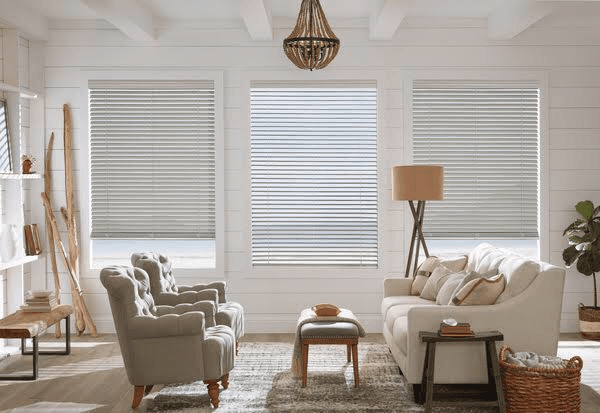
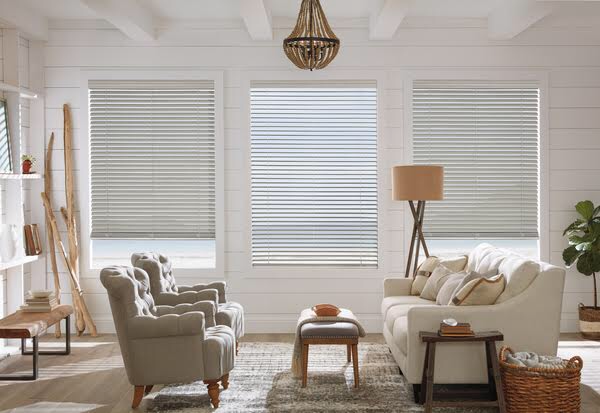
The short answer: Both faux wood and composite blinds outperform real wood in Northern Idaho's extreme climate, but they're not identical. Faux wood (PVC or vinyl) offers lighter weight and excellent moisture resistance, while composite (wood fiber + polymer blend) provides superior rigidity and heat tolerance. For most homeowners in Coeur d'Alene and Sandpoint, the choice comes down to window size, sun exposure, and specific room conditions.
After installing window treatments across the Pacific North West for 24 years, I've seen both materials succeed—and fail—in ways that matter to your home's comfort and your wallet.
📘 The Complete Blinds Guide — Faux wood vs composite is one decision in a larger landscape. For cellular, roller, vertical, Roman, plantation shutter comparison and how each fits Northern Idaho rooms, read the complete installer's guide to window blinds in Northern Idaho →
What Are Faux Wood and Composite Blinds Made Of?
Let's clear up the confusion right away, because even big-box stores mix up these terms.
Faux wood blinds are typically made from PVC (polyvinyl chloride) or vinyl—basically durable plastic molded to mimic wood grain. They're hollow or foam-filled, which keeps them lightweight. Think of them as the practical cousin of real wood: same look, better behavior around moisture.
Composite blinds blend real wood particles or fibers with synthetic polymers (resins). The result is a solid, heavier slat that feels closer to real wood but resists warping and moisture damage. These are engineered materials—designed to take the best qualities of wood and eliminate its weaknesses.
Both resist humidity better than real wood. Both come in wood-tone finishes. But their performance in Northern Idaho's climate tells a different story once you get them installed.
Weather Performance in Northern Idaho Homes
Our regional climate is brutal on window treatments: freezing dry winters, intense summer sun on lake-facing windows, and temperature swings that can hit 60+ degrees between January mornings and July afternoons.
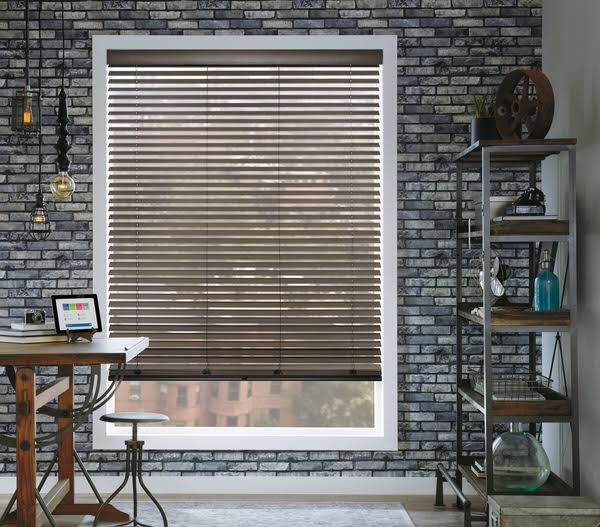
Faux wood blinds handle moisture beautifully—I've installed them in bathrooms that steam up daily for years without warping. But here's what I've seen go wrong: on large south- or west-facing windows (those stunning Pend Oreille views everyone wants), prolonged heat exposure can cause PVC slats to sag or bow slightly over time. The material softens when hot, and gravity does the rest.
Composite blinds hold their shape better under heat stress. The wood fiber core gives them structural memory—they don't droop on 90-degree days. I've pulled composite blinds out of homes after 10+ summers of direct sun, and the slats still look straight. The tradeoff? They're heavier, which matters on wider windows (more on that below).
Both materials handle our cold just fine. Neither cracks or becomes brittle in subzero temps the way cheap plastics might.
Pros and Cons of Each Material
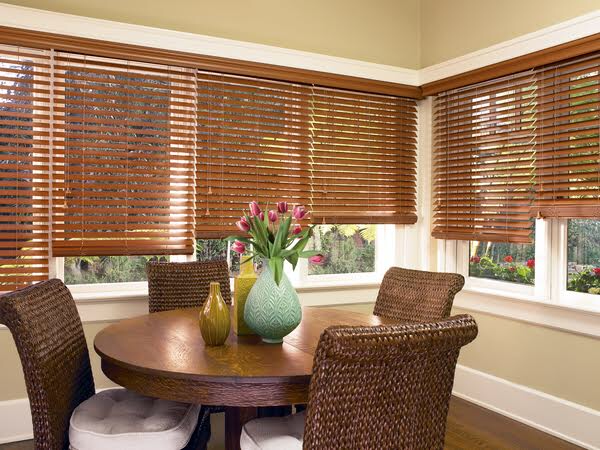
Faux Wood (PVC/Vinyl)
https://normanusa.com/product/ultimate-faux-wood-blinds/
Pros:
- Lightweight: easier to operate, less strain on lift mechanisms
- Excellent moisture resistance (ideal for bathrooms, kitchens)
- Budget-friendly without sacrificing looks
- Works well in standard-size windows (up to 6 feet wide)
Cons:
- Can warp or sag in extreme heat/sun exposure
- Limited color options may fade slightly over years in direct UV
- Feels hollow compared to composites
Composite Blinds
https://www.lafvb.com/woodblinds
Pros:
- Superior heat and UV resistance—maintains shape over time
- Feels more substantial, closer to real wood
- Better colorfastness in high-sun rooms
- Longer lifespan in demanding conditions
Cons:
- Heavier weight limits practical width (typically max 5–6 feet)
- Slightly higher cost
- Overkill for low-sun or small windows where faux wood excels
Installer Tips From Local Experience
Here's what I tell clients after seeing hundreds of installs around Lake Coeur d'Alene and Sandpoint:
For big windows with brutal sun exposure (west-facing living rooms, lakefront picture windows), composite blinds are worth the investment. I've seen too many faux wood installations develop a subtle bow after 3–5 summers. Not catastrophic, but noticeable.
For bathrooms, kitchens, and standard bedrooms, faux wood is your best value. The moisture resistance is unbeatable, and you won't stress the mounting hardware with excessive weight.
Watch out for extra-wide spans. Anything over 6 feet wide gets tricky with composites—the weight becomes a real issue for lift cords and tilt mechanisms. In those cases, I often recommend splitting the opening or considering faux wood with reinforced headrails.
Condensation risk: Both materials handle it, but if you've got single-pane windows (still common in older homes around here), composite's heat tolerance gives it an edge when condensation freezes and thaws repeatedly.
Best Rooms for Each Option
Choose faux wood for:
- Bathrooms (steam and moisture all day)
- Kitchens (grease, humidity, frequent cleaning)
- Bedrooms with north or east exposure
- Rental properties or budget-conscious projects
Choose composite for:
- Living rooms with floor-to-ceiling west or south windows
- Home offices with afternoon glare
- Any room where blinds sit in direct sun 4+ hours daily
- High-end builds where durability justifies the cost
Final Recommendation: Which Should You Choose?
If I'm sitting across the table from you in a Coeur d'Alene home, here's my honest take:
Go composite if: You've got large windows with serious sun exposure, you're staying in the home long-term, and you want "install it and forget it" durability.
Go faux wood if: You're covering standard windows, prioritizing budget, or outfitting moisture-heavy rooms. You'll get 90% of composite's benefits at a lower price point.
Both materials will outlast real wood in Northern Idaho's climate. Neither is a bad choice. The key is matching the material to your specific windows and usage—not what the contractor's catalog pushes hardest.
And if you're unsure? Call a local installer who knows what actually holds up in homes around here. We've seen what works when Lake Pend Oreille reflects afternoon sun straight into your dining room.
Proudly Serving Northern Idaho
https://luxewindowworks.com/window-coverings-sandpoint-id/
https://luxewindowworks.com/window-coverings-coeur-d-alene/
https://luxewindowworks.com/window-coverings-post-falls-id/
Common questions
What's the main difference between faux wood and composite blinds?
- Faux wood blinds are made from PVC or vinyl, offering lightweight construction and strong moisture resistance. Composite blinds combine wood fibers with polymers, making them heavier but more rigid and heat-resistant.
Which blinds are better for bathrooms or kitchens?
- Faux wood blinds are ideal for moisture-heavy areas like bathrooms and kitchens because they resist humidity, steam, and frequent cleaning without warping.
Which blinds perform best on large or sun-exposed windows?
- Composite blinds perform better on wide or west-facing windows with strong sun exposure. Their wood-fiber core prevents sagging and maintains slat shape in high heat.
Are faux wood or composite blinds more energy efficient?
- Both materials improve insulation compared to real wood, but composite blinds generally hold their shape and close more tightly in extreme temperatures, giving a slight edge in energy efficiency.
How do I choose between faux wood and composite blinds for my Northern Idaho home?
- Choose faux wood if you want affordable, lightweight blinds for moisture-prone rooms. Choose composite blinds for large, sun-exposed windows or long-term durability in Northern Idaho's extreme temperature swings.