Are Cellular Shades Worth It for Northern Idaho Homeowners?
Q&A: Are Cellular Shades Worth It for Northern Idaho Homeowners? Q: What are the main benefits of cellular shades? A: Cellular shades, also known as honeycomb...
By Mark Abplanalp
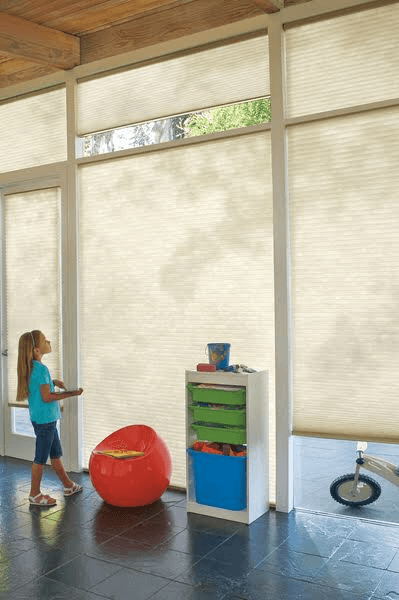
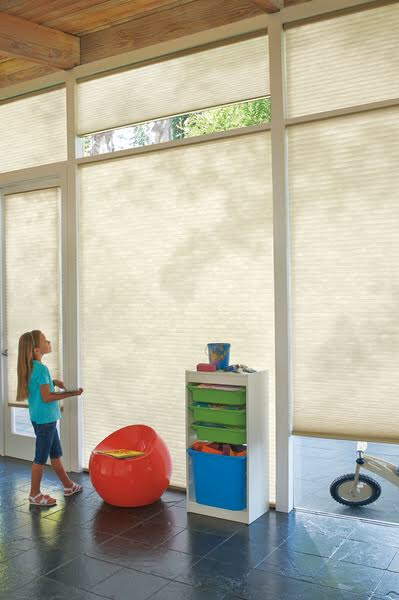
Yes — cellular shades are worth it for most Northern Idaho homes, and they are one of the most practical window covering investments you can make in this climate. In a region with sub-zero winters, intense summer afternoon sun, and high heating costs, the insulating performance of a quality cellular shade delivers measurable comfort and energy savings year-round. After nearly 20 years of installing window treatments across Coeur d'Alene, Post Falls, Hayden, and Sandpoint, cellular shades are what I recommend most often to homeowners who want both function and a clean, modern look.
What Are Cellular Shades and How Do They Work?
Cellular shades — also called honeycomb shades — are constructed with individual fabric cells that trap air between the window glass and the room. That trapped air acts as insulation, slowing heat transfer in both directions. In winter it keeps warm air inside. In summer it keeps radiant heat from the glass from entering the room.
Single Cell vs. Double Cell vs. Triple Cell — What's the Difference?
Cell Type Comparison
| Cell Type | Air Pockets | Insulating Value | Best For |
|---|---|---|---|
| Single cell | 1 | Good | Mild climates, interior rooms, budget builds |
| Double cell | 2 | Better | Northern Idaho standard — most installs |
| Triple cell | 3 | Best | North-facing windows, older homes, high-efficiency builds |
Single cell represents about 80% of what gets sold nationally. In Northern Idaho I recommend double cell as the baseline for any exterior-facing window — the additional insulation is worth the modest price difference in a climate that regularly sees single-digit temperatures. Triple cell is the right call for older homes with drafty frames or north-facing windows that take the brunt of winter.
Why Cellular Shades Are a Smart Choice for Northern Idaho's Climate
Northern Idaho's climate is the main reason I recommend cellular shades over other window covering types for most homes here. Winters run long and cold, with Coeur d'Alene averaging 37 inches of snow annually and temperatures dropping well below freezing for weeks at a time. Summers bring intense afternoon sun on west-facing windows that can heat a room fast.
Winter Performance — Heat Retention
From an installer's perspective the difference is noticeable the moment you put your hand near a window with a cellular shade versus without one. On north-facing windows or large expanses of glass — common in Northern Idaho new construction — the drafty feel disappears. The shade acts as a thermal blanket between the cold glass and the room, reducing heat loss overnight and keeping rooms warmer without running the furnace harder.
Summer Performance — Heat Rejection
West-facing windows in the CDA and Sandpoint area are the biggest summer problem I see. By late afternoon those rooms become uncomfortable fast. Cellular shades with a light-colored or reflective backing block radiant heat before it enters the room — the shade absorbs and dissipates the heat rather than letting it pass through. The result is a measurable reduction in how hard your A/C works and how hot those rooms get.
Northern Idaho Window Orientation Guide
Recommended Cellular Shade by Window Orientation
| Window Orientation | Primary Problem | Recommended Cell Type | Recommended Opacity |
|---|---|---|---|
| North-facing | Cold drafts, heat loss | Triple cell | Light filtering |
| South-facing | Glare, moderate heat | Double cell | Light filtering or solar |
| East-facing | Morning glare | Double cell | Light filtering |
| West-facing | Intense afternoon heat | Double or triple cell | Light filtering with reflective backing |
| Skylights | Heat gain, UV | Double cell | Light filtering |
Light Filtering, Blackout, and Top-Down/Bottom-Up Options
Light Filtering vs. Blackout
Light filtering fabric softens natural light, reduces glare, and maintains daytime privacy without blocking the view entirely. This is the right choice for living rooms, kitchens, offices, and any room where you want natural light without direct sun. Blackout fabric blocks essentially all light and is the right choice for bedrooms — especially important in Northern Idaho summers when it stays light until 9:30 PM — and media rooms where screen visibility matters.
Top-Down/Bottom-Up — The Most Useful Option Most Homeowners Don't Know About
Top-down/bottom-up lets you operate the shade from either the top or the bottom independently. Lower the top down for light and a view of the sky while maintaining privacy at eye level. Raise the bottom up for privacy while letting light in from above. For rooms that face a street or neighbor, this feature eliminates the choice between privacy and natural light. I install top-down/bottom-up on a significant portion of my projects — once homeowners see it in action they wonder why they did not have it before.
How Cellular Shades Compare to Other Window Coverings
Window Covering Comparison for Northern Idaho Homes
| Feature | Cellular Shades | Roller Shades | Faux Wood Blinds | Roman Shades |
|---|---|---|---|---|
| Insulation | Excellent | Minimal | Minimal | Low–moderate |
| Draft reduction | Excellent | Poor | Poor | Moderate |
| Light control | Excellent | Good | Good | Good |
| Sound absorption | Good | Minimal | Minimal | Moderate |
| Ease of cleaning | Moderate | Easy | Easy | Moderate |
| Best climate fit | Cold climates | Mild climates | Mild climates | Any |
Brands I Carry and Recommend for Northern Idaho
I carry Alta, Norman, and Lafayette — three manufacturers that consistently deliver quality at different price points. I do not carry every brand on the market, and that is intentional. What I carry I stand behind.
Cellular Shade Brand Comparison
| Brand | Line | Cell Options | Motorization | Price Point | Best For |
|---|---|---|---|---|---|
| Alta | Cellular Collection | Single, double, triple | Yes — Somfy & Alta motors | Mid-range | Quality builds at fair price |
| Norman | Portrait Honeycomb | Single, double | Yes | Mid-range | Wide fabric selection |
| Lafayette | Cellular | Single, double | Yes | Budget-friendly | Value-conscious projects |
All three manufacturers use fabric from the same small group of actual fabric producers — the differences are in construction quality, cell consistency, and motorization integration. Alta's Cellular Collection is what I install most often for clients who want the full performance package. Norman's Portrait Honeycomb is an excellent mid-range option with a wide fabric selection. Lafayette is the right call when budget is the primary constraint and performance is still important.
What Cellular Shades Cost in Northern Idaho
Pricing varies by cell type, size, opacity, and motorization. Here is a realistic range for supply and professional installation.
Cellular Shade Price Range Per Window — Installed
| Configuration | Price Per Window (Installed) |
|---|---|
| Single cell, manual, standard size | $180–$280 |
| Double cell, manual, standard size | $220–$350 |
| Triple cell, manual, standard size | $280–$420 |
| Double cell, motorized, standard size | $400–$650 |
| Triple cell, motorized, large window | $550–$900+ |
Prices reflect supply and professional installation. Large windows, specialty shapes, and outside mount configurations may affect pricing.
What to Know Before You Buy
Inside Mount Depth Requirements
Not every window has enough frame depth for an inside mount installation. Cellular shades require a minimum of 1.5 inches of frame depth — ideally 2 or more inches for a flush, clean look. Windows with shallow frames or protruding trim need an outside mount. I check this on every consultation before recommending a mount type.
Condensation on Older Windows
This is the one thing most cellular shade articles do not mention. On older single-pane windows or windows with failing seals, a deep cell shade can trap cold air against the glass overnight, which increases condensation. In Northern Idaho's winters that moisture can cause mold or damage to the window frame over time. The fix is either upgrading the window seal or choosing a shade with a small bottom gap to allow minimal air circulation. I flag this on every older home consultation.
Motorization — When It's Worth It
Motorization makes the most sense for hard-to-reach windows — high transoms, skylights, windows behind furniture — and for homeowners who want smart home integration. The cost premium is real but so is the daily convenience. For a single hard-to-reach window it is almost always worth it. For a full home installation it becomes a lifestyle decision worth discussing during consultation.
Have Questions About Your Windows?
Our team offers free in-home consultations throughout Northern Idaho. Get personalized advice for your specific situation.