Luxe Window WorksNorthern Idaho
Custom Window Coverings··12 min read

Why Are Window Treatments So Expensive? — A First-Time Buyer's Guide to Smart, Stylish, and Budget-Friendly Choices

By Mark Abplanalp, Owner of Luxe Window Works If you're shopping for window treatments for the first time, you've probably experienced the sticker shock. You...

By Mark Abplanalp

Why Are Window Treatments So Expensive? — A First-Time Buyer's Guide to Smart, Stylish, and Budget-Friendly Choices
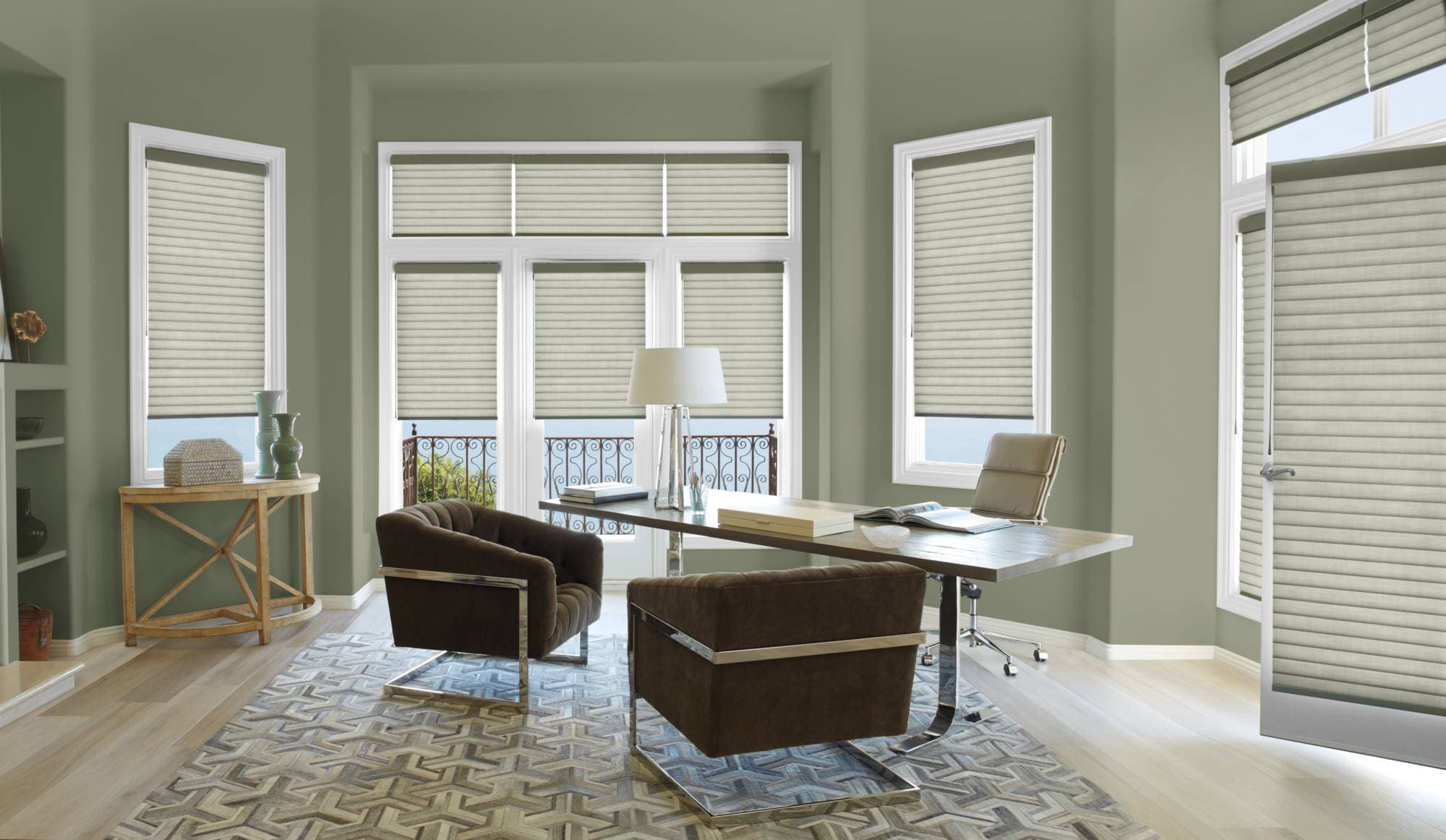
Custom window treatment installation showing quality craftsmanship and long-term value in a northern Idaho home

By Mark Abplanalp, Owner of Luxe Window Works

If you're shopping for window treatments for the first time, you've probably experienced the sticker shock. You walk into a showroom or start browsing online, thinking you'll spend a few hundred dollars to cover your windows—and suddenly you're looking at quotes that run into the thousands. It's jarring, especially when you can walk into a big-box store and see blinds for $30.

Here's the truth: window treatments can be expensive, but they don't have to be. The key is understanding what drives cost, where you can save without sacrificing quality, and which budget-friendly options actually deliver long-term value. After two decades of measuring, installing, and troubleshooting window treatments across Northern Idaho and Western Washington, I've seen every scenario—and I've learned what works for real people with real budgets.

This guide will help you navigate your first window treatment purchase with confidence. You'll learn why costs add up so quickly, which budget-friendly products actually hold up, and how to avoid the common traps that leave first-time buyers disappointed. Let's make sure you get window treatments you'll actually love—without breaking the bank or settling for something that looks cheap.

Why Window Treatments Seem So Expensive (and Why That's Misleading)

The first time I shopped for quality outdoor patio furniture, I had the same reaction most first-time window treatment buyers have: "Wait, it costs how much for a chair?" I thought I could furnish my whole deck for a few hundred bucks. Turns out, well-made furniture that stands up to weather and daily use costs significantly more than the flimsy stuff at discount stores. Window treatments are no different.

What actually drives the cost of window treatments?

First, there's the material itself. Quality fabrics, real wood, or durable faux wood cost more to manufacture than thin vinyl or plastic. Then there's the operating mechanism—cordless lifts, motorization, and smooth-gliding systems require precision engineering. Custom sizing adds another layer: every window is slightly different, and custom-cut treatments eliminate gaps and ensure proper fit. Finally, there's installation. Professional measuring and mounting make a dramatic difference in how your treatments look and function.

Here's what surprises most people: cheap window treatments often cost more in the long run. A $30 blind from a big-box store might seem like a bargain, but if it breaks within a year, develops gaps that let in light and drafts, or looks so flimsy it downgrades your room's appearance, you'll end up replacing it—sometimes multiple times. Meanwhile, a $150 cellular shade installed correctly can last 10+ years and actually improve your home's energy efficiency.

The real question isn't "Why are window treatments expensive?" It's "What am I actually getting for my money—and where can I invest wisely?"

The Big-Box Trap: Why Cheap Blinds Often Disappoint

I've installed thousands of window treatments, and I've also been called in to fix or replace countless big-box blinds that failed within months. The pattern is always the same: the homeowner thought they were saving money, but they ended up with a product that didn't fit right, didn't work smoothly, and didn't hold up.

What You Actually Get for That "Too Good to Be True" Price

Let's be clear about what you're buying when you go ultra-budget:

Flimsy plastic headrails that bend or crack under normal use. I've seen headrails snap just from the weight of the slats during operation.

Poor-quality mounting brackets that don't hold securely, especially in drywall. Over time, these blinds sag, tilt, or even fall.

Bad fit with visible gaps. Big-box blinds are often cut in-store with inconsistent precision. The result? Light gaps at the edges, uneven slats, and a sloppy overall appearance that makes your windows look unfinished.

Cheap aesthetics that downgrade the room. Thin, flimsy materials look exactly like what they are: the cheapest option available. In a well-designed room, they stick out like a sore thumb.

What You Miss Out On

Beyond the product itself, here's what doesn't come with rock-bottom pricing:

No meaningful warranty. Most big-box blinds have limited or no warranty coverage. When something breaks, you're on your own.

Lower-grade materials that fade, warp, or discolor quickly—especially in sunny windows.

No professional measuring. DIY measuring sounds easy until you realize a quarter-inch mistake creates a visible gap or prevents proper mounting.

No finished, tailored look. Custom-fit treatments sit flush in the window frame, eliminate light gaps, and create a clean, cohesive appearance that elevates your entire space.

I'm not saying you need to spend thousands per window. But I am saying this: the cheapest option is rarely the smart option. There's a better way.

Budget-Friendly, Installer-Approved Window Treatments

The good news? You don't have to choose between quality and affordability. There are two product categories that consistently deliver high-end looks, solid performance, and budget-friendly pricing: faux wood blinds and cellular (honeycomb) shades. These are the products I recommend most often to first-time buyers, and here's why.

Top Picks That Look High-End Without the Price Tag

Faux Wood Blinds

Faux wood blinds are made from composite materials or PVC designed to look like real wood—but they're more durable, moisture-resistant, and affordable. They're ideal for kitchens, bathrooms, or any space where humidity is a concern. They offer clean lines, adjustable light control, and a classic look that works in virtually any home style.

Because faux wood blinds are widely produced and use cost-effective materials, they hit a sweet spot in pricing. You get a polished, custom-fit product without paying for exotic hardwoods.

Cellular (Honeycomb) Shades

Cellular shades feature a unique honeycomb structure that traps air, creating an insulating barrier between your window and your room. This design makes them exceptionally energy-efficient—they reduce heat loss in winter and block heat gain in summer, which can lower your energy bills.

They're available in a wide range of colors, opacity levels (from sheer to blackout), and cell sizes. They're also lightweight, easy to operate, and available in cordless options that are safe for homes with kids or pets.

Why These Are Smart Buys for First-Time Buyers

Both faux wood blinds and cellular shades share several key advantages:

Widely produced = better price points. These products are manufactured at scale, so you're not paying a premium for rarity or specialty materials.

Available in cordless operation. Cordless lifting systems are now standard in most mid-range products, giving you a clean look and safer operation without extra cost.

Insulating properties for energy savings. Cellular shades excel here, but even faux wood blinds provide a barrier that reduces drafts and temperature swings.

Clean, professional look with lots of color options. You're not limited to builder-grade white. Both product types come in dozens of colors and finishes, so you can match your décor without custom ordering.

Durability that justifies the investment. With proper care, these treatments last years—often a decade or more—making them far more cost-effective than replacing cheap blinds every 12-18 months.

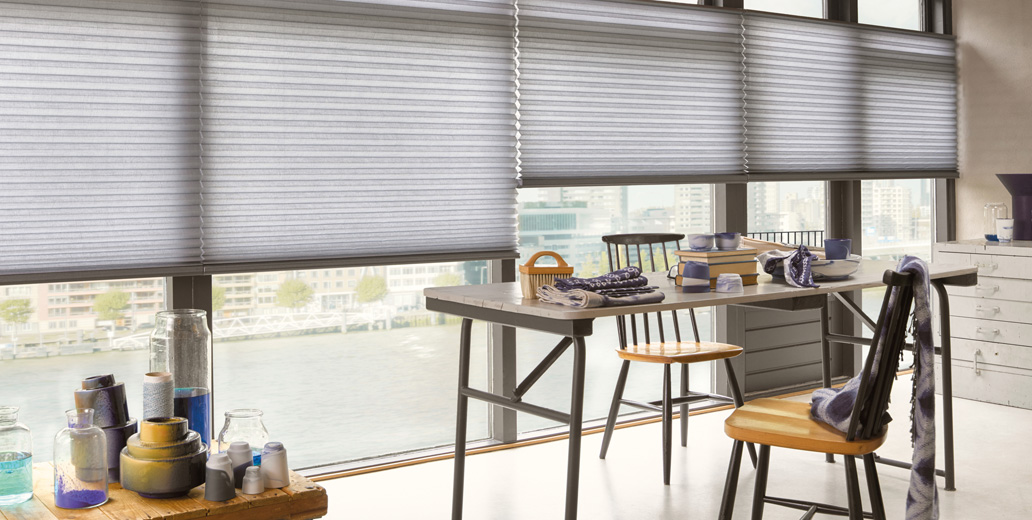
Quality custom window treatment installation in a northern Idaho home showing long-term value and craftsmanship

Mark's Top 5 Tips for First-Time Window Treatment Buyers

1. Always Measure for Inside Mount First—If Your Window Allows

Inside mount means the treatment sits inside the window frame, creating a sleek, built-in look with better insulation and light control. But not every window has the depth required. Measure your window recess carefully: most cellular shades need at least 2 inches of depth, and faux wood blinds need 1.5-2 inches depending on the product. If you don't have the depth, outside mount (where the treatment sits on the wall above the window) still works—but inside mount is ideal when possible.

2. Big-Box Cordless Mechanisms Are Not All Created Equal

Cordless operation is a huge quality-of-life upgrade, but not all cordless systems are the same. Some big-box brands use cheap spring mechanisms that fail quickly or operate inconsistently. Look for brands with solid warranties and read reviews specifically about cordless performance. If you're buying from a local dealer, ask which cordless systems they trust—they'll know which ones hold up.

3. Measure Twice (Really)—A Custom Fit Makes All the Difference

A quarter-inch error can result in visible gaps, uneven hanging, or improper light control. Take your time. Measure width and height in three places (top, middle, bottom for width; left, center, right for height) and use the smallest measurement to ensure proper fit. If you're not confident in your measuring skills, many local dealers offer free in-home consultations where they'll measure for you.

4. Local Dealers Often Have Promo Pricing That Beats Big-Box Quality

Don't assume big-box stores always have the best prices. Many local window treatment specialists carry mid-range product lines with better materials, warranties, and customer support—often at competitive pricing, especially during seasonal promotions. Plus, you'll get professional measuring and installation advice, which saves you headaches down the road.

5. Don't Settle for "Fast and Cheap"—Go for "Affordable and Right"

The temptation to grab the cheapest option and move on is real, especially if you're furnishing a whole house. But window treatments are one of those purchases where a little extra investment up front saves you time, money, and frustration later. Choose products that will last, fit well, and improve your home's comfort and appearance. You'll thank yourself every time you look at your windows.

Common Questions About Budget-Friendly Window Treatments

Can I really get better quality shades without spending more?

Yes. Many local window treatment dealers carry mid-range product lines that offer significantly better materials, warranties, and fit than big-box options—often at similar or only slightly higher pricing. The difference is in the details: better mounting hardware, smoother operation, more accurate sizing, and customer support if something goes wrong. It's worth getting a quote from a local specialist before assuming the big-box store is your only affordable option.

Are faux wood blinds still in style?

Absolutely. Faux wood blinds offer a timeless, clean aesthetic that works in modern, traditional, and transitional interiors. When they're well-made and custom-fitted, they look polished and intentional—not dated. They're especially popular in kitchens, bathrooms, and high-humidity areas where real wood wouldn't hold up. The key is choosing a quality product with realistic grain patterns and durable finishes.

Do cellular shades actually help with energy efficiency?

Yes. The honeycomb structure of cellular shades creates air pockets that insulate your windows, reducing heat transfer. This means your home stays warmer in winter and cooler in summer, which can lower your heating and cooling costs. The effect is most noticeable with inside-mount installation and double-cell (dual honeycomb) designs, which provide even more insulation. While cellular shades won't replace proper window upgrades, they're a cost-effective way to improve comfort and efficiency.

Is cordless operation more expensive?

In most cases, no. Cordless lifting systems have become the standard for many mid-range faux wood blinds and cellular shades, so you're not paying a premium for the feature. In fact, cordless is often the default option, especially for child-safe and pet-friendly homes. If you're looking at a product where cordless costs significantly more, it might be worth comparing other brands or asking your dealer about alternatives.

How long should budget-friendly window treatments last?

With proper care, quality faux wood blinds and cellular shades should last 7-10 years or more. The key factors are material quality, operating mechanism durability, and how well the product fits your window. Cheap big-box blinds often fail within 1-2 years due to flimsy components and poor fit. Investing in mid-range products with good warranties dramatically extends their lifespan and overall value.

Should I DIY install or hire a professional?

If you're handy and confident with tools, DIY installation can save you money—especially if you've measured carefully and ordered the right size. However, professional installation ensures proper mounting, eliminates common mistakes (like uneven brackets or incorrect depth), and often includes a warranty on the installation itself. For first-time buyers, I usually recommend getting at least one or two windows professionally installed so you can see how it's done, then deciding if you want to tackle the rest yourself.

What's the biggest mistake first-time buyers make?

The biggest mistake is prioritizing speed and price over fit and quality. Buying the cheapest blinds available and rushing through measuring almost always leads to disappointing results—poor fit, bad aesthetics, and early failure. Take your time, measure carefully, and choose products that balance affordability with durability. A slightly higher upfront cost pays for itself many times over in longevity and satisfaction.

Comparison Chart: Faux Wood Blinds vs. Cellular Shades

Ready to Skip the Overwhelm? Here's What to Do Next

You don't have to navigate this process alone, and you definitely don't have to settle for cheap blinds that disappoint. Here's how to move forward with confidence:

Measure your window depth to see if inside mount is possible. Grab a tape measure and check the recess depth in at least three windows. If you have 2+ inches, you're in great shape for most products.

Contact a local window treatment professional for a free consultation. Many dealers offer free in-home measuring and product recommendations with no obligation. This is your chance to see samples in person, ask questions, and get accurate pricing for your specific windows.

Ask about mid-range faux wood or cellular options—not just the fancy upgrades. Be clear about your budget and priorities. A good dealer will show you products that fit your needs without pressuring you into premium lines you don't want.

Don't settle for "fast and cheap"—go for "affordable and right." The difference between a frustrating purchase and a satisfying one often comes down to taking an extra day or two to measure carefully, compare options, and choose quality over speed.

Window treatments are one of those home investments that you interact with every single day. When they work well, fit properly, and look great, they make your life easier and your home more comfortable. When they don't, they're a constant source of frustration. Take the time to do it right the first time, and you'll enjoy the results for years to come.

If you're in Northern Idaho or Western Washington and want straightforward advice on window treatments that fit your budget and your home, reach out to Luxe Window Works. We're here to help you make smart, informed decisions—no pressure, no gimmicks, just honest guidance from someone who's seen it all.

More Options.

https://luxewindowworks.com/2025/10/26/window-blinds-the-complete-installers-guide-to-every-popular-shade-type-what-really-works-in-northern-idaho/

Tips For How To Choose A Local Dealer!

https://luxewindowworks.com/2025/10/29/stop-selling-shades-like-youre-at-a-car-dealership-why-high-pressure-sales-hurt-homeowners-and-the-industry/


About the Author,

Mark Abplanalp is the founder and lead window treatment specialist at Luxe Window Works, serving all types of custom projects and customers across the Northern Idaho region.

Mark has been dedicated to the custom window treatment industry since 2002 across the Pacific Northwest. With over two decades of expertise, he is recognized not only for his technical knowledge but also for his commitment to low-pressure, consultative sales. Mark champions an approach that treats the client as a partner and the process as a careful design consultation, ensuring homeowners make informed decisions without being subjected to high-pressure tactics or artificial deadlines.

His philosophy is simple: A window treatment should be an investment, not an expense, and buying them should feel like working with a trusted advisor.

Proudly Serving Northern Idaho!

https://luxewindowworks.com/window-coverings-sandpoint-id/

https://luxewindowworks.com/window-coverings-coeur-d-alene/

https://luxewindowworks.com/window-coverings-post-falls-id/

https://luxewindowworks.com/window-coverings-rathdrum-id/

https://luxewindowworks.com/window-coverings-rathdrum-id/

Brands we Love!

https://www.lafvb.com

https://normanusa.com

Tags:Cellular-Shadesenergy-efficiencyhome-decorhome-improvementHoneycomb-Shadesinterior-design

Have Questions About Your Windows?

Mark offers free in-home consultations throughout Northern Idaho. Get personalized advice for your specific situation.