Private Equity Consolidation in Window Coverings: What Dealers and Homeowners Need to Know
From an installer's perspective with two decades in the window treatment industry, I've watched the business model shift underneath familiar brand...
By Mark Abplanalp
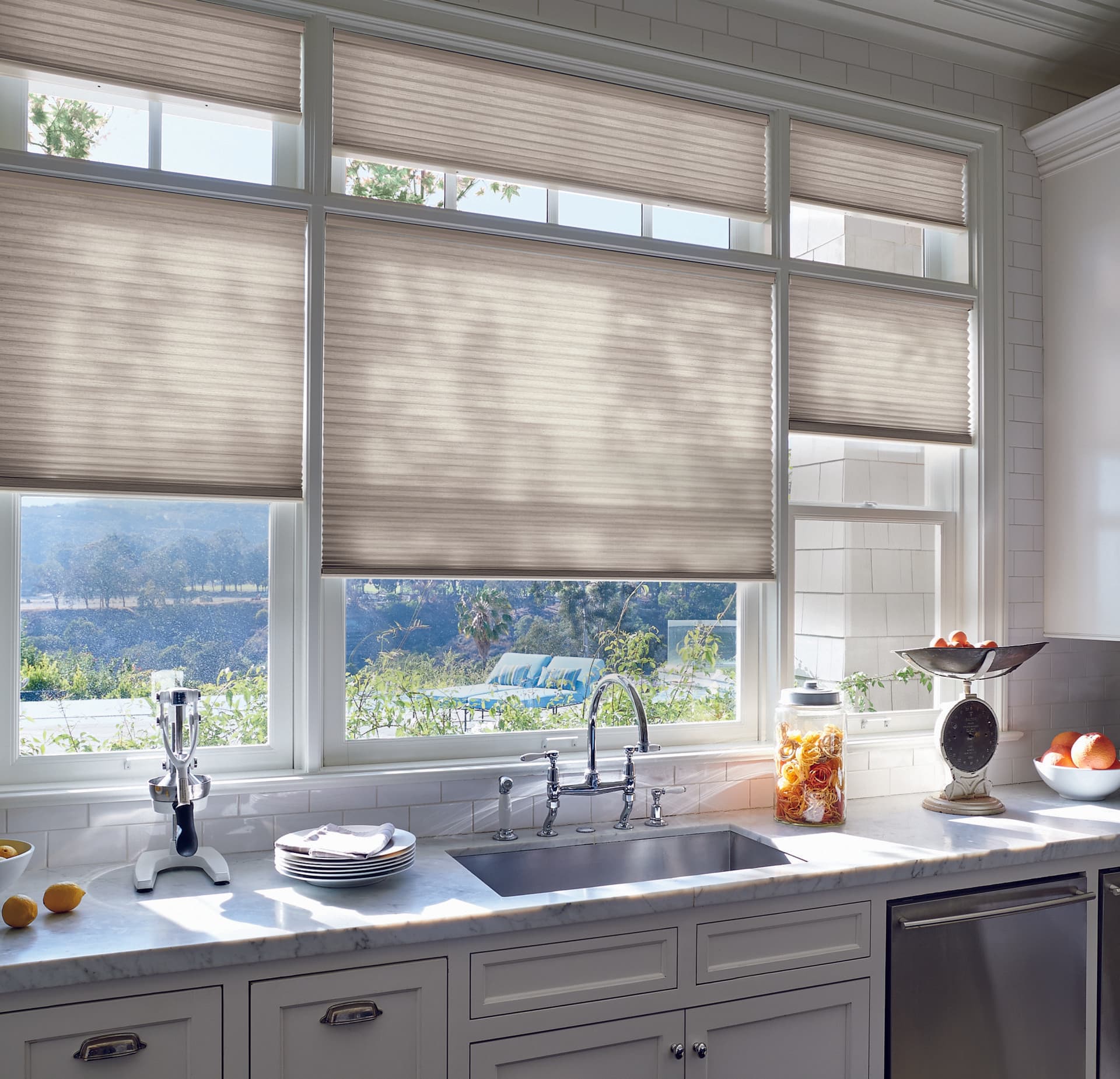
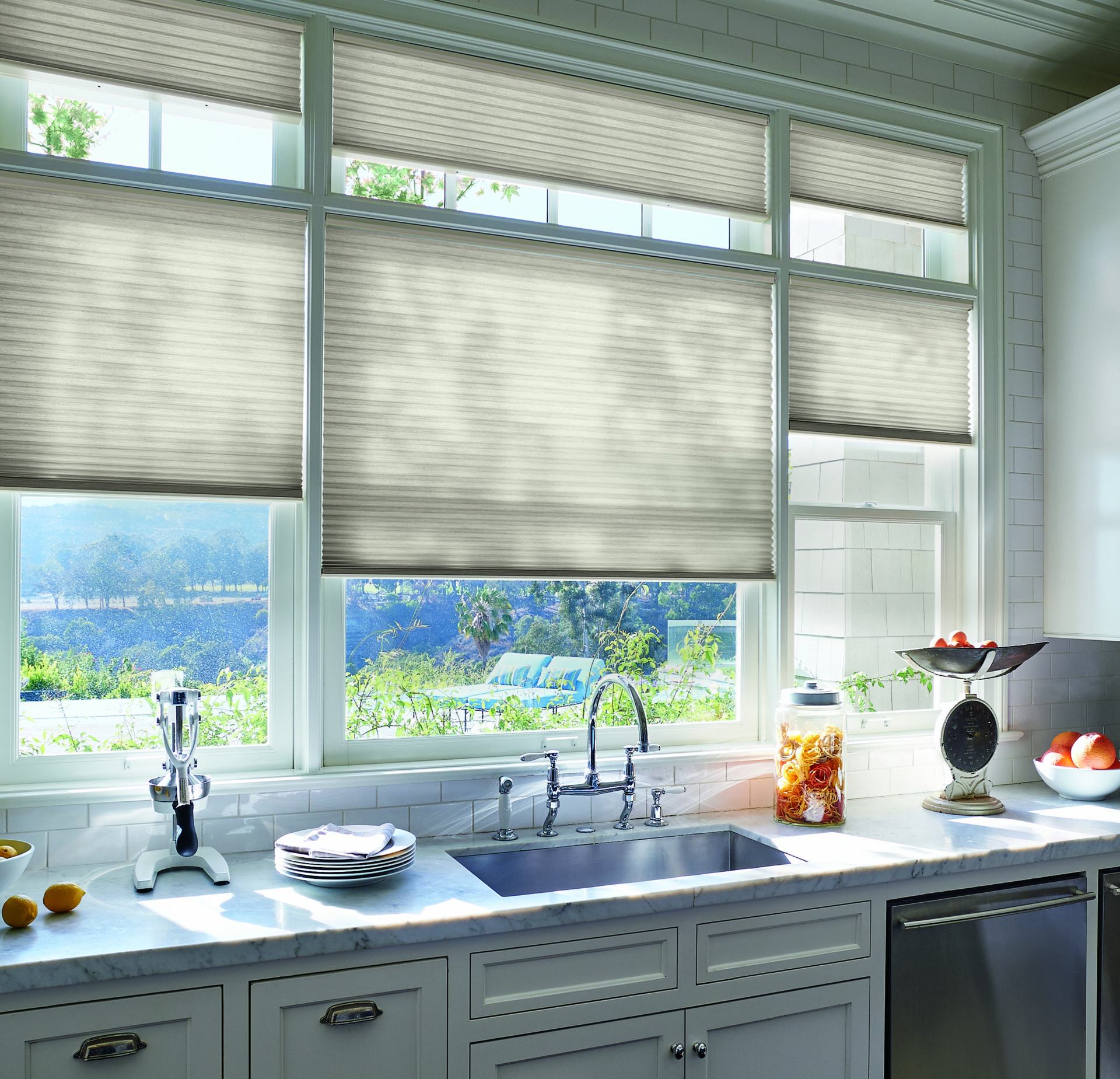
From an installer's perspective with two decades in the window treatment industry, I've watched the business model shift underneath familiar brand names—and the changes aren't encouraging. The logos on product catalogs look the same, but the companies behind them have been bought, sold, and restructured by private equity firms focused on financial engineering rather than product quality or dealer relationships.
Hunter Douglas, long considered the gold standard in motorized window treatments, was acquired by 3G Capital in a $7.1 billion transaction completed in February 2022. Springs Window Fashions—the company behind Graber, Bali, and Horizons—was acquired by Clearlake Capital in 2021, marking its fourth ownership change since 2001. These aren't isolated events. This is a fundamental reshaping of how window covering brands operate.
If you're a homeowner shopping for blinds or shades, or a dealer trying to maintain quality standards while navigating manufacturer relationships, here's what's actually happening behind the marketing campaigns—and why it matters to the products in your home.
The Private Equity Business Model in Window Coverings
Private equity firms don't buy companies to run them for decades. They acquire brands as portfolio investments, aiming to increase valuation through cost reduction and market consolidation, then sell within 3-7 years for maximum return. That timeline fundamentally conflicts with the long-term thinking required for product development, dealer support, and warranty fulfillment.
Springs Window Fashions has been through four different private equity owners since 2001—Heartland Industrial Partners, Golden Gate Capital, AEA Investors with BCI, and now Clearlake Capital. Each transition brings new financial priorities, restructured operations, and pressure to cut costs that don't directly contribute to short-term profitability.
The core question every dealer and homeowner should be asking: When a company's primary focus shifts from building reputation through quality products to maximizing financial metrics for investor returns, what happens to the shades you're installing in your home?
Where Cost Cutting Shows Up First
From my direct experience ordering, installing, and servicing these products across hundreds of installations, the quality erosion appears in three critical areas: materials, motor systems, and warranty support.
Materials and Component Quality
Fabric selections that used to maintain color and structural integrity for 10-15 years are now showing noticeable fading or fraying within 5-7 years. Plastic components that were once robust enough to handle daily operation are now more brittle—particularly in lift mechanisms and tilt controls. Metal hardware that used to be solid now feels hollow or lightweight, with brackets that bend under tension or pull away from mounting surfaces within months rather than years.
These changes aren't dramatic enough to show up in product specifications or catalog descriptions. They reveal themselves slowly, in field failures that accumulate over time.
Motor System Reliability Decline
Motorized systems are where quality erosion becomes most obvious—and most expensive for homeowners. Hunter Douglas PowerView motors, while feature-rich and well-marketed, now show higher failure rates than previous generations, particularly in battery-powered units. When a $1,200 motorized cellular shade stops responding after 18 months, that's not just an inconvenience—it's a fundamental breach of the value proposition.
I've personally replaced more motor assemblies in the past three years than in the previous ten combined. That pattern holds across conversations with other installers in regional dealer networks.
Warranty and Remake Support
Warranty structures have become adversarial rather than straightforward. What used to be "we'll fix it" policies now involve multiple documentation requirements, longer wait times, and more denied claims. Dealers are now required to photograph defects, document installation conditions, and justify every remake request—turning what should be quick fixes into lengthy disputes that strain both dealer relationships and homeowner satisfaction.
I've spent hours on hold trying to get basic remake approvals that used to take a simple phone call to a knowledgeable factory representative. Those reps—the ones who actually understood the products and could troubleshoot installation issues—have largely been replaced by order-takers reading from scripts with limited technical knowledge and even more limited authority to approve solutions.
The Dealer Dilemma
This consolidation wave puts honest dealers in an impossible position. We're trying to maintain credibility with customers while recommending or defending products whose quality has quietly declined. The brand reputation is being propped up by marketing budgets and historical performance, not current product consistency.
When a homeowner asks about Hunter Douglas or Graber based on a recommendation they received five years ago, they're making decisions based on a company that operated under completely different ownership, management priorities, and quality standards. The brand name hasn't changed. Everything else has.
Dealer support has suffered dramatically. Training programs get cut or reduced to webinars. Technical resources disappear from company websites. Factory representatives who used to help troubleshoot complex installations are reassigned or eliminated. The institutional knowledge that made these companies reliable partners—the kind of knowledge that takes years to build—evaporates with each restructuring.
What This Means for Your Home
If you're shopping for window treatments based on brand reputation or recommendations from friends or online reviews written more than two years ago, you may be making decisions based on outdated information.
The Hunter Douglas cellular shades installed in 2018 are not the same product—from a quality, reliability, or support perspective—as the Hunter Douglas cellular shades available today. The manufacturing facilities might be the same. The specifications might read identically. But the cost pressures, component sourcing decisions, and quality control standards have all shifted in ways that don't appear in product literature.
For homeowners, this means:
- Extended warranties matter more than ever. Don't assume a well-known brand name guarantees reliable performance. Insist on clear warranty terms and verify the dealer's ability to actually fulfill warranty claims without excessive hassle.
- Dealer knowledge and support are now more valuable than brand loyalty. A knowledgeable dealer who understands current product performance and can navigate manufacturer support systems is worth more than catalog pricing from a big-box retailer selling the "same" brand name.
- Motor systems require extra scrutiny. If you're investing in motorization, ask specific questions about failure rates, battery replacement costs and availability, and what happens if the motor system fails in three years. Don't accept marketing promises—ask for dealer experience data.
What Dealers Should Watch For
The consolidation wave isn't slowing down. Adapting your approach is essential for maintaining credibility and protecting your reputation.
Don't trust brand reputation alone. That company that made excellent products five years ago might be operating under completely different management, ownership, and quality standards today. Inspect current product lines, not historical performance. Test actual support systems before committing to product lines.
Educate customers honestly about what's changed. Homeowners deserve to know when a brand's quality has declined, especially if they're making decisions based on outdated recommendations or online reviews. Position yourself as the knowledgeable professional who understands these industry changes—that's a competitive advantage, not a liability.
Diversify your product offering if your main lines are declining in consistency. Having backup options from stable manufacturers protects both your reputation and your customers' satisfaction. Don't let manufacturer relationships or catalog pricing lock you into products you can't confidently stand behind.
Document everything. When dealing with warranty claims or remake requests, photograph installation conditions, document communications, and maintain detailed records. The adversarial approach now required by many manufacturers means protecting yourself requires more paperwork than it used to.
Standing Out in a Consolidated Industry
The dealers who thrive in this environment will be those who prioritize product knowledge, honest communication, and real service over brand loyalty or manufacturer marketing relationships. The consolidation wave has actually created an opportunity for knowledgeable professionals to differentiate themselves by understanding these industry changes and guiding customers accordingly.
Real trust is now built on service, transparency, and deep product knowledge—not just brand logos or manufacturer partnerships. When manufacturers prioritize financial metrics over craftsmanship and customer service, the professionals who stay close to the actual work—and the actual customer—become more valuable, not less.
Frequently Asked Questions
How can I tell if a window covering brand has been acquired by private equity?
Most acquisitions are publicly announced but rarely advertised to consumers. Search for "[Brand Name] acquired" or check business news sources. Look for changes in customer service quality, warranty policies becoming more restrictive, or dealer support declining—these operational changes often signal ownership transitions even before they're widely known.
Are all private equity acquisitions bad for product quality?
Not universally, but the business model creates inherent conflicts. PE firms typically operate on 3-7 year investment timelines, which don't align well with the long-term reputation building required for durable goods. Cost reduction pressures and focus on financial metrics often compete with product quality investments. Some PE-owned companies maintain quality standards, but it requires conscious effort against financial incentives pushing the other direction.
What brands are still family-owned or independent?
This is increasingly difficult to answer as ownership structures change frequently. Some smaller regional manufacturers remain independent, and a few specialty brands maintain family ownership. However, the trend is strongly toward consolidation. Rather than focusing on ownership structure, evaluate current product quality, dealer support, and warranty fulfillment regardless of who owns the company.
Should I avoid Hunter Douglas and Springs brands entirely?
Not necessarily. These companies still produce functional products and maintain significant market presence. However, approach them with realistic expectations rather than assuming their historical reputation guarantees current quality. Work with knowledgeable dealers who understand current product performance, not catalog marketing. Verify warranty terms carefully, and consider whether motorized systems justify their premium pricing given reliability concerns.
How do I find a dealer who understands these industry changes?
Ask specific questions about their experience with warranty claims, motor system reliability, and which products they've stopped carrying and why. A dealer who speaks honestly about quality declines and manufacturer support issues—rather than just repeating catalog marketing—is more likely to prioritize your long-term satisfaction over short-term sales.
What alternatives exist to the major PE-owned brands?
Several smaller manufacturers focus on specific product categories or regional markets. Norman, Lafayette (for shutters), and various regional fabricators often provide better support and quality consistency. However, availability varies by region and product type. Work with dealers who carry multiple lines and can explain the actual performance differences based on installation experience, not just catalog specifications.
Tips from Mark: Navigating the Consolidation Wave
- Verify current performance, not historical reputation. When researching brands, prioritize reviews and recommendations from the past 12-18 months. Industry ownership changes mean older information—even two-year-old reviews—may not reflect current quality standards.
- Ask your dealer about remake rates. A knowledgeable dealer who's been working with a brand for several years can tell you if warranty claims and remake requests have increased. This real-world data matters more than catalog specifications.
- Test motor systems before committing to whole-house motorization. If you're considering motorized treatments for multiple windows, install one or two units first and operate them daily for several months before expanding. Motor reliability issues often don't appear immediately.
- Don't assume "lifetime warranty" means what it used to. Read actual warranty terms, not marketing language. Understand what's covered, what documentation is required for claims, and whether the dealer or manufacturer handles fulfillment. Warranty support quality varies dramatically even among major brands.
- Build relationships with dealers, not brands. In a consolidating industry where brand ownership and quality standards shift every few years, your relationship with a knowledgeable local dealer becomes more valuable than loyalty to any particular manufacturer name.
The Bigger Picture
This isn't a small shift we're witnessing. It's a fundamental change in how window covering brands are run, with financial engineering and investor returns taking priority over the craftsmanship, product development, and customer service that built these companies' reputations over decades.
For professionals in this industry, the question isn't whether consolidation is happening—it's how we adapt while maintaining our credibility and our customers' trust. That means staying informed about ownership changes, quality trends, and support policies. It means being honest with customers about what's changed, even when it's uncomfortable. And it means being willing to walk away from manufacturer relationships when quality no longer justifies the brand name.
In an industry increasingly driven by financial metrics rather than product excellence, the professionals who will stand out are those who stay close to the work—and to the customer. That focus becomes more valuable, not less, when manufacturers lose sight of it.
Mark Abplanalp, Owner of Luxe Window Works
With two decades installing window treatments across the Pacific North West, I specialize in matching products to regional climate challenges and real-world performance requirements. I prioritize long-term durability and honest guidance over sales-driven recommendations. Luxe Window Works serves Coeur d'Alene, Post Falls, Hayden, Sandpoint, and surrounding communities with a focus on engineering-appropriate solutions rather than catalog aesthetics.
Questions about specific brands, product lines, or how these industry changes affect your window treatment decisions? I'm happy to share what actually performs well in Northern Idaho's unique climate and what I've learned from hundreds of installations across nearly two decades in this business.
https://luxewindowworks.com/window-coverings-sandpoint-id/
https://luxewindowworks.com/window-coverings-coeur-d-alene/
https://luxewindowworks.com/window-coverings-post-falls-id/
Have Questions About Your Windows?
Our team offers free in-home consultations throughout Northern Idaho. Get personalized advice for your specific situation.